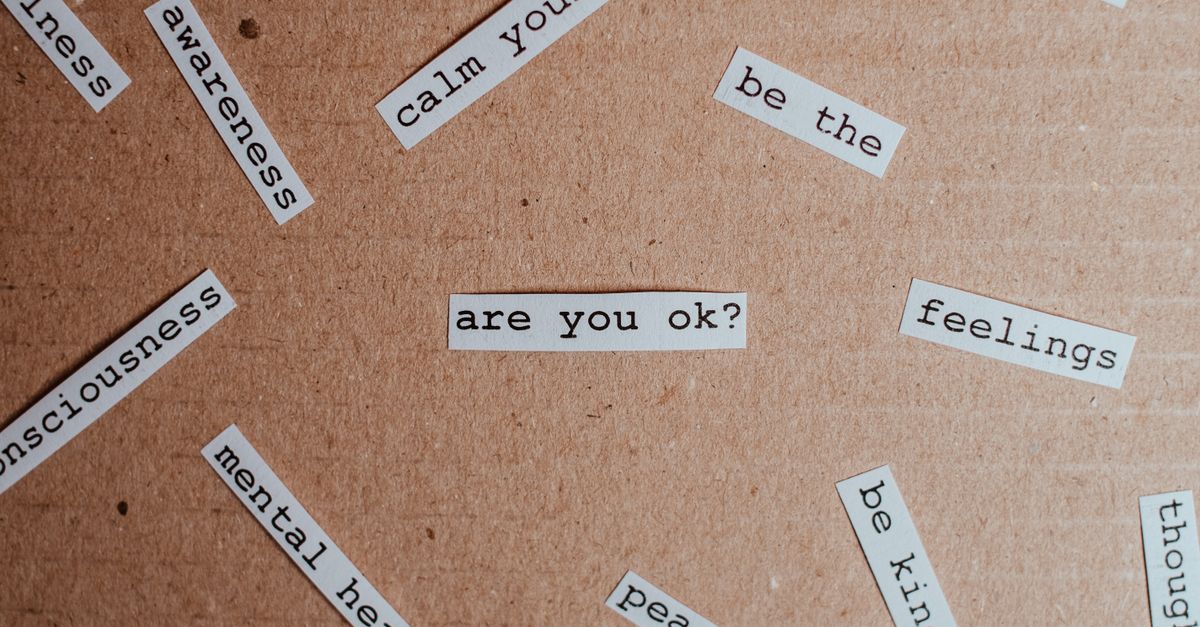
You wake up, the alarm blares, and before your feet even touch the floor, your mind races with deadlines, endless chores, and unread messages. You feel stretched thin, running on empty, and surviving on pure caffeine. It is easy to think mental health care requires hours of quiet meditation, expensive retreats, or completely changing your routine. But that simply is not true. In this guide, we break down eight tiny, realistic habits you can weave right into your normal routine. You will discover practical ways to protect your energy, quiet the background noise, and reclaim your calm. By the time you finish, you will have a clear, simple blueprint to feel grounded, rested, and genuinely happier each day.
Trade the Morning Screen for Real Stillness
Most of us reach for our phones before we even open our eyes all the way. It happens on autopilot. Picture a fictional character named Leo. Leo sets his alarm on his phone, and the instant it buzzes, he taps right into social media and the morning news. Before he even drinks a drop of water, his head is swimming with arguments, work emergencies, and other people’s highlight reels. He starts the day feeling behind schedule, and his chest already feels tight.
Your brain is extra tender right when you wake up. Flooding it with notifications is like turning on a blaring stadium light in a dark room. Try giving yourself a ten-minute screen buffer instead. Put your phone across the room overnight. Stretch your arms, feel the blanket, or just watch the light slowly fill the room. That tiny cushion of quiet sets a steady tone for everything that follows.
Step Outside and Catch Some Morning Light
Once you get out of bed, your body needs a signal that night is over. Mother Nature already built that trigger into us, and it comes straight from the sun. Stepping outside into natural light tells your internal clock to hit the power switch. It wakes up your energy systems and starts a timer that helps you sleep deeper when night rolls around.
You do not need to hike up a hill. Just stand on your front porch or lean out an open window for five minutes while the morning air is still fresh. Let the sunshine hit your eyes without staring right at the bright disk. It feels good on your skin, clears the morning fog from your brain, and gently pulls you into the present moment.
Drink Water Before You Pour the Coffee
It sounds ridiculously simple, but your brain is mostly water. After eight hours without a sip, you are basically a walking, dried-out sponge. When we wake up thirsty, our bodies often register that dryness as anxiety, brain fog, or low energy. Grabbing a giant mug of strong coffee first thing only kicks that jitters meter up a notch.
Make a deal with yourself: drink one tall glass of cool water before that hot mug hits your lips. Think of it like giving your organs a gentle bath before making them work. You will feel your alertness jump up instantly, and your morning coffee will actually taste better because your body is not panicking for basic hydration.
Ditch the Mental Clutter With a Daily Brain Dump
By lunchtime, tasks start piling up like a messy stack of papers on a windy day. Fictional office worker Maya knows this feeling all too well. She keeps twenty mental tabs open in her head at once: pick up dry cleaning, reply to an awkward email, prep dinner, call grandma. Because she holds all that in her mind, her brain thinks every single item is a five-alarm fire.
Whenever you feel that scramble brewing, grab a blank piece of paper and write down everything bouncing around in your skull. Get it all out.
- Messy lists, half-baked worries, grocery items—dump it all down.
- Pick just one or two items to handle right now.
- Circle what can wait until tomorrow.
Seeing your thoughts on actual paper takes away their power to haunt you. We see folks run into this all the time, and our team loves this trick because it turns an overwhelming mountain into a few harmless pebbles.
Break the Slump With Five Minutes of Movement
Our bodies were made to bend, walk, and stretch, yet modern life keeps us glued to chairs. When you sit still for hours, physical tension builds up without you realizing it. Your shoulders climb toward your ears, your back arches like a frozen pretzel, and your mood sinks right into the floorboards.
You do not need to do an intense gym workout to fix this. Five minutes is plenty. Shake your hands out. Do ten slow squats next to your desk. Walk to the end of the block and back. When you move your physical body, you give built-up stress a way out, snapping your mind right out of that mid-afternoon slump.
Set One Small Boundary Before the Evening Begins
As the workday ends, people naturally ask for things. A coworker wants a quick favor, a neighbor asks to borrow tools, or your phone rings with a call you do not have the bandwidth to take. Saying yes when your battery is blinking red is a surefire recipe for burnout.
Practice setting one tiny boundary every single day. Tell a friend, “I’d love to chat, but can I call you back tomorrow when I have more time?” Or tell yourself you are closing your computer at 5:30 sharp, no matter what unread emails are sitting there. Boundaries are not walls to keep people out; they are fences to keep your peace safe inside.
Share a No-Pressure Moment With Someone You Like
Loneliness can creep into your thoughts even if you are surrounded by people all day. Talking about weather with a store cashier or trading work emails does not feed your heart. We need real, honest human connection to feel safe and steady.
Send a quick, funny meme to a friend you miss. Ask your partner about the best part of their afternoon. Sit on the floor and pet your dog while watching its tail wag. Genuine connection does not require a deep, three-hour conversation. A shared laugh or a warm hug is enough to remind your brain that you belong somewhere.
Create an “All Clear” Signal for Sleep
When bedtime arrives, you cannot just slam the brakes on your brain and expect it to shut off instantly. If your head spins the second you hit the pillow, it means your mind never got the memo that the workday was officially over.
Create a short, repeatable signal that tells your nervous system it is safe to rest. It might look like this:
- Dimming the bright living room lights an hour before sleep.
- Putting your clothes out for tomorrow so you stop planning.
- Sipping warm chamomile tea while listening to soft music.
This simple habit acts like closing time at a favorite shop. Once the “closed” sign hangs on the door, your mind stops waiting for customers and finally lets you rest.
Taking care of your mental well-being does not require a total lifestyle overhaul or hours of free time. It really comes down to the tiny, daily choices you make for yourself along the way. When you swap morning phone scrolling for real sunlight, hydrate before caffeine, clear your mental clutter, and protect your evenings, your entire world begins to feel lighter. Life will always have busy days, chores will still pile up, and unexpected surprises will come along. But with these small habits tucked into your back pocket, you can handle the noise with steady confidence and a peaceful mind. Start small today. Pick just one tiny habit, take a deep breath, and watch how quickly calm follows.



