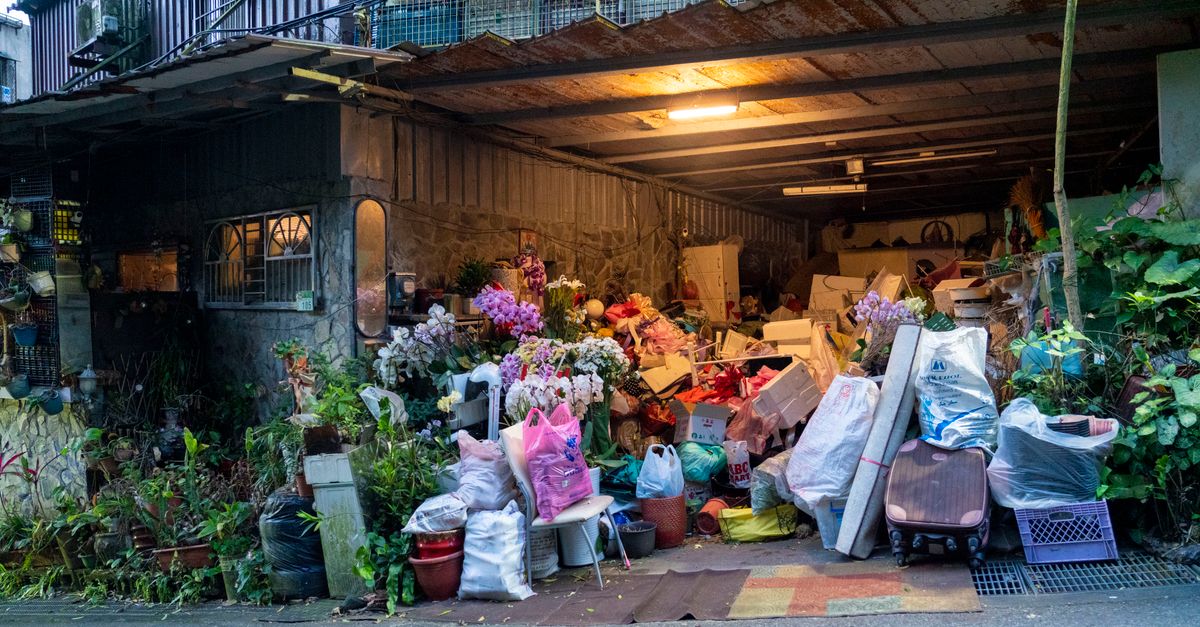
Walking into your mom’s hallway and squeezing past towers of old newspapers is gut-wrenching. You worry about her tripping, her physical health, and why on earth she keeps stacks of plastic takeout containers she never uses. If you are losing sleep wondering how to bring up the mess without causing a screaming match, you are in the right spot. Talking about hoarding feels like walking across a floor covered in eggshells. In this guide, you will learn why people hold onto clutter, how to start a calm conversation, and how to make real progress together. Stick with it, and you will walk away with a game plan that protects your bond while making the home livable again.
Seeing the Heart Behind the Clutter
Before you say a single word, take a breath. It helps to understand what is actually going on under all those piles. Most folks think hoarding is just being lazy or messy. It isn’t.
Clutter is often a shield. Imagine a fictional guy named Arthur. When Arthur lost his wife three years ago, the house felt horribly empty and quiet. So, he started keeping every single cardboard box and receipt from the grocery store. To anyone else, it looks like trash. But to Arthur, those items act like a warm blanket. Letting go of a box feels like losing another piece of his wife.
Items get tied up with fear, grief, or deep anxiety. When you look at the pile, you see junk. They see comfort, safety, or memories. Keeping this in mind keeps you from blowing your top when things get frustrating.
Why the Surprise Dumpster Backfires
It is tempting to wait until your loved one goes out for the afternoon, rent a giant dumpster, and throw everything out. You might think, “They’ll be mad for an hour, but then they’ll see how great the clean house looks!”
Please don’t do this. Ever.
Forced cleanouts feel like a break-in. It breaks trust in a way that is almost impossible to fix. When people have their belongings tossed without permission, the panic is so intense that they usually hoard things right back—often faster and worse than before. You cannot clean away the pain by sneaking around. Healing has to happen with their permission, one step at a time.
Finding the Right Time and Place
Timing can make or break the talk. You don’t want to bring up the mess right when you’re tripping over a pile of shoes, or during Thanksgiving dinner when everyone is stressed out.
Pick a quiet moment when nobody is rushed. Go somewhere neutral, like a quiet booth at a coffee shop or during a relaxed walk in the park. Getting them outside the house removes the immediate shame of sitting inside the clutter.
Keep your energy calm. If you come in hot, they will shut down instantly. Frame the chat around love, not annoyance:
- Focus on your relationship with them first.
- Check in on how they are feeling deep down.
- Let them know you are on their team, no matter what.
Words That Build Bridges Instead of Walls
The words you pick matter a lot. Words like “garbage,” “mess,” or “filth” feel like personal attacks. If you attack their things, they will defend them.
Swap out accusatory phrases for caring questions. Instead of saying, “Look at this hazard, you can’t live like an animal,” try something gentle. You could say, “I love you so much, and I got worried when I saw how hard it was to get to the back door. How have you been feeling in the house lately?”
Focus on safety and health rather than the sheer amount of stuff. Talk about your fear of them falling or not being able to cook a hot meal on the stove. When you talk about their well-being, it shows you care about them, not just the tidy state of their living room.
The Magic of Tiny Victories
If you ask someone who hoards to clear out the entire basement, they will freeze up. The task looks like Mount Everest, so they won’t even put on their hiking boots.
Shrink the goal until it feels ridiculously easy. Let us use another fictional example. Picture Sarah and her dad. Instead of tackling his garage packed with forty years of tools, Sarah asks, “Can we just sort through this one small plastic bin today?”
That is it. Just one bin. Inside, they find three broken pens and an old calendar. They throw them out together, and they stop for the day. That small win proves that letting go did not cause the sky to fall. Celebrate those tiny wins. Momentum builds slowly, but it lasts longer that way.
Bringing in Gentle Backup
You do not have to carry this entire mountain on your shoulders. Trying to fix a hoarding situation all by yourself will run you straight into exhaustion.
Therapists who understand clutter issues can help your loved one untangle the feelings tied to their things. And when it comes to the physical lifting, companies like ours exist to take the pressure off your family. We step in with zero judgment, kind attitudes, and calm hands. Having a neutral, friendly third party in the room takes the emotional sting out of sorting through items. It lets you go back to being a daughter, son, or friend, instead of acting like an exhausted referee.
Taking Care of Your Own Heart
Loving someone who hoards is emotionally draining. You will likely feel angry, sad, and guilty, sometimes all before lunchtime. That is completely normal.
Set clear boundaries so you don’t burn out. It is okay to say, “Mom, I can come over on Saturday for two hours to help sort boxes, but then I have to head home for dinner.” Stick to your limits. If you run yourself ragged, you won’t have the patience needed to help them through the hard days. Put your own oxygen mask on first.
Starting a talk about hoarding takes patience, kindness, and plenty of deep breaths. By taking the time to understand the big feelings driving the clutter, picking a gentle moment to speak up, and focusing on basic safety, you open the door to real change. Remember to celebrate the smallest victories, avoid sneak attacks with dumpsters, and call in supportive backup when the job gets too heavy for your family alone. Healing a home takes time, but you do not have to do it in a day. Be patient with your loved one, be gentle with yourself, and remember that keeping your bond strong matters far more than having a picture-perfect house.



