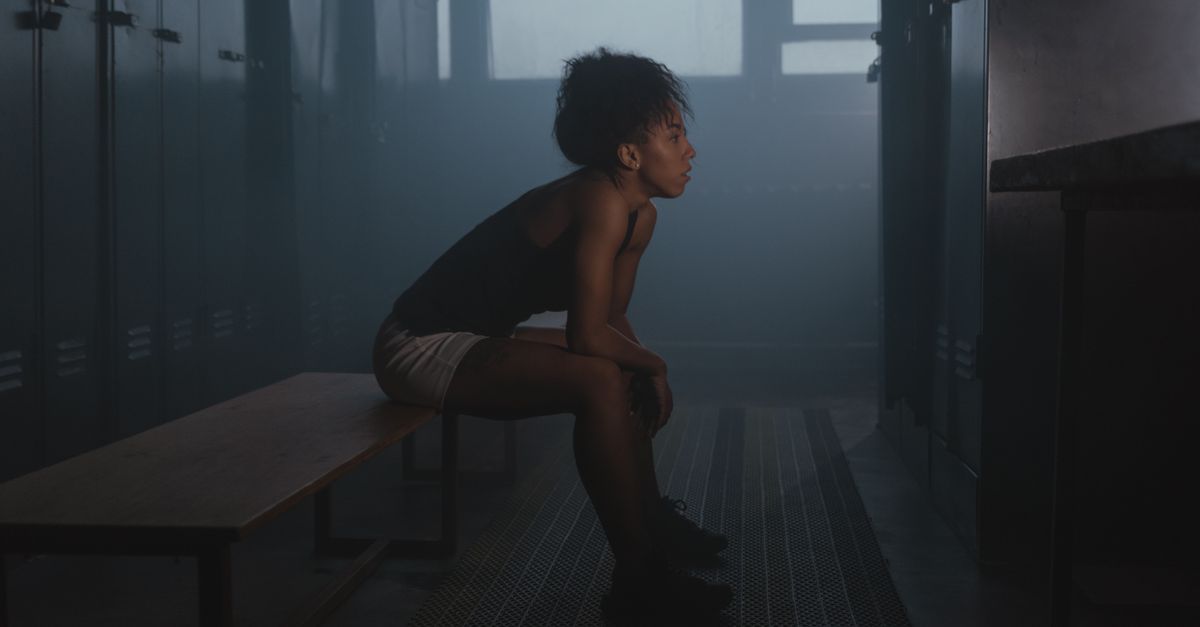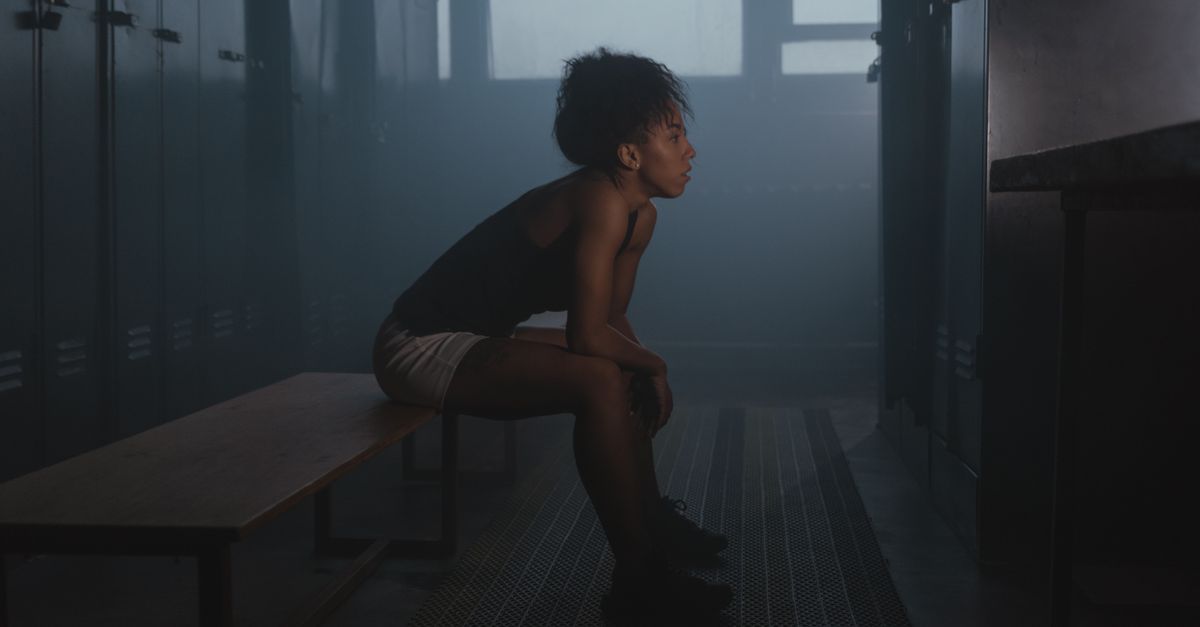
You love watching your kid sprint across the field, sink a three-pointer, or shave seconds off their lap time. But lately, you might notice they look completely drained at the dinner table, stressing over tests while nursing sore muscles. Being a student athlete today is a brutal juggling act. Balancing grades, team practices, and friendships puts massive pressure on their developing minds. If you are a parent or coach wondering how to protect your young player from burning out without taking away the game they love, you are in the right place. In this guide, you will learn how to spot emotional fatigue early, spark honest conversations, and build realistic boundaries so your player stays happy, healthy, and energized on and off the field.
The Heavy Invisible Backpack
Every kid carries a backpack to school, but student athletes carry an invisible one that weighs twice as much. Inside that pack sits morning workouts, seven hours of classes, pop quizzes, evening practice, and piles of late-night homework. That is a ton to hold.
Adults often talk about work-life balance like it is an Olympic event. Kids feel that exact same grind. When a student feels like they must be an honor roll student by day and an MVP by night, their brain never gets a break. They stay stuck in fight-or-flight mode. Over time, that constant hustle turns something meant to be fun into a chore that feels like a mountain they can never finish climbing.
The Old Rule of “Toughing It Out”
Sports culture has spent decades celebrating toughness. We cheer for the hockey player who skates with a bruised knee or the pitcher who throws through the pain. But physical grit is not the same thing as hiding emotional distress.
Telling a kid to just shake it off when they feel anxious or depressed does not work. In fact, it backfires. It teaches young players that feeling sad, scared, or tired makes them weak. They start hiding their worries behind fake smiles. The truth is simple: speaking up about feeling overwhelmed takes way more courage than playing through a sprained ankle. Real strength means knowing your limits and asking for help when the water gets too deep.
Meet Maya: When the Spark Fades Away
To see how this plays out in real life, let’s imagine a fictional high school sophomore named Maya. This is a made-up scenario, but it happens in real living rooms every single day. Maya is a star soccer midfielder. Her weekends are packed with travel tournaments, and her weekdays are a blur of school and sprints.
On paper, Maya is crushing it. She has straight A’s and scouts looking at her. But at home, her mom notices small changes. Maya stops joking around at dinner. She snaps over simple questions like, What do you want for breakfast? She stares at her phone in bed until 2:00 AM because her brain will not stop racing about missed penalty kicks.
Soccer was once Maya’s happy place. Now, just packing her cleats makes her stomach hurt. She is not lazy or rebellious. Maya is simply out of gas. Her body is still playing, but her mind is running on empty fumes.
Clues Your Young Player Is Running on Empty
Spotting burnout before it turns into a crisis is all about paying attention to tiny shifts in behavior. Young athletes rarely walk up and say, Hey, my mental health is slipping. Instead, their actions do the talking.
Keep your eyes peeled for these warning signs:
- Changes in sleep habits: Trouble falling asleep, waking up constantly, or wanting to sleep all day Saturday.
- Sudden mood swings: Snapping at siblings, crying over minor mistakes, or going quiet and distant.
- Mysterious aches: Upset stomachs, headaches, or tight chests before games that have no clear medical cause.
- Losing the joy: Showing zero excitement after a big win or treating game days like a chore.
- Grades slipping: Forgetting assignments or struggling to focus on basic homework tasks.
Making Room for True Downtime
Rest is not a reward you earn only after you work yourself to exhaustion. It is a biological requirement. If a sports car never stops for gas or oil changes, the engine blows up. Young athletes work the exact same way.
Downtime does not mean sitting on the couch analyzing game film. It means giving the brain a complete break from competition. Encourage your player to have hobbies that have zero scoreboards. Maybe they like drawing, building things, listening to music, or playing video games with friends. That’s why our team focuses so much on helping families build balanced routines; we know that life outside the lines protects the magic inside the lines. Give them full permission to have lazy Sunday afternoons where they do not have to achieve anything at all.
How to Talk So Kids Will Actually Open Up
If you corner your kid right after a tough loss and ask, What is wrong with your attitude?, their emotional walls will slam shut. Timing and tone change everything.
Try talking in low-pressure spots, like during car rides. Sitting side-by-side without intense eye contact makes heavy topics feel way safer. Start by asking open questions that have nothing to do with stats or scores. Try asking things like:
- What was the most fun part of your week?
- How are you feeling in your body right now?
- Do you feel like you have enough time to breathe between school and practice?
When they talk, just listen. Do not jump in right away with ten different ways to fix their problems. Sometimes, all a stressed-out kid needs is to hear you say, I get it. That sounds really hard, and I am in your corner no matter what.
Redefining What It Means to Win
Sports are incredible teachers. They build teamwork, discipline, and grit that last a lifetime. But a trophy will never love a kid back, and a game should never cost a child their peace of mind. As parents, coaches, and mentors, our job is to remind young players that their value as a human being never changes based on what the scoreboard says at the final buzzer.
Raising a student athlete should be an awesome adventure, not a fast track to burnout. When we focus only on points, stats, and college offers, we risk losing the happy kid behind the uniform. By creating real space for rest, tuning into early signs of stress, and letting kids talk openly without fear of letting anyone down, we give them room to grow into healthy adults. Sports are just something they play; they are not who they are. When you protect their mental well-being first, you help them win at the only game that truly matters: living a happy, balanced life.