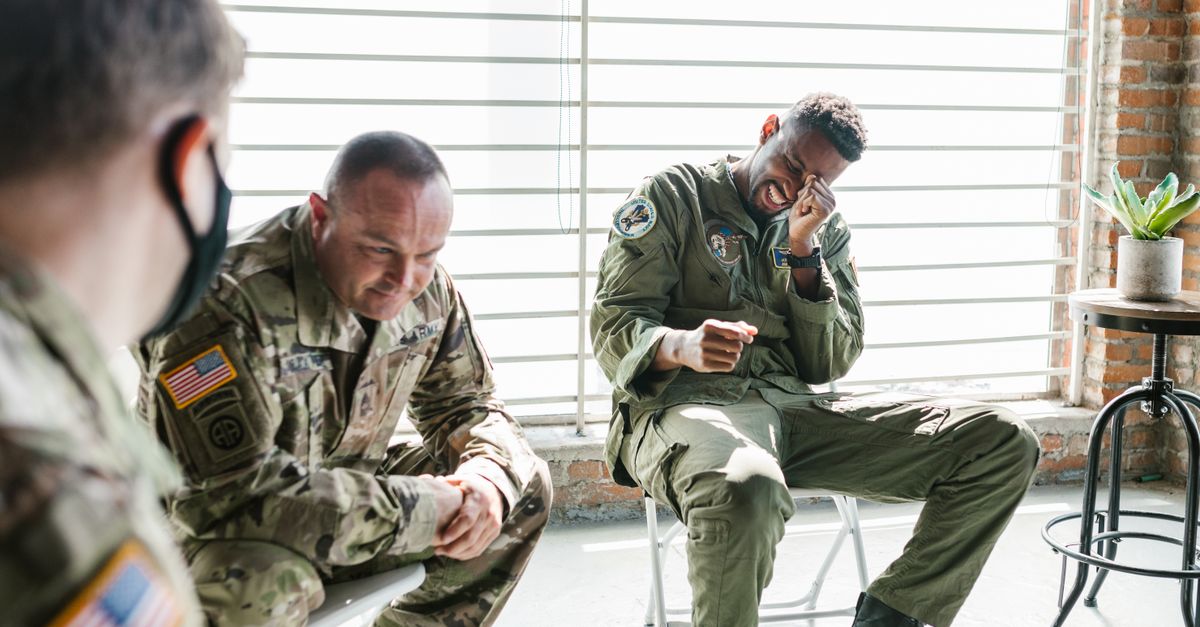
Leaving the military feels like walking out of an intense action movie straight into a quiet, slow afternoon. If you or someone you love just hung up the uniform, you might feel lost, restless, or completely overwhelmed. That makes total sense. You spent years with clear orders, a set schedule, and a tight team, only to land in a world where everyone moves at their own random pace. In this guide, we dive into the real mental health hurdles that pop up during this massive shift. You will learn why your brain feels scrambled, how to handle the quiet, and simple ways to feel steady again. By the end, you will have clear tools to take back your peace of mind.
The Sudden Silence of Everyday Life
The military runs on rhythm. From the second your eyes pop open at dawn, you know where to stand, what to wear, and what task needs your sweat. Every second has a purpose.
Then, the discharge paperwork clears. You wake up on a Tuesday morning in a regular bedroom, and nobody is telling you what to do. The silence can feel deafening.
To see how this feels, let’s look at a fictional scenario with a guy we will call Dave. Dave spent eight years fixing helicopter engines in noisy hangars. On his first full week as a civilian, he sat on his porch with a mug of black coffee, waiting for instructions that never came. He told his wife he felt like an engine running at top speed with nowhere to steer. That sudden drop in pressure tricks your brain into thinking something is wrong, even when you are totally safe.
Speaking a Language Nobody Around You Understands
Once you step out of the military world, you realize civilians talk and act very differently. Service members lean on dark humor, quick decisions, and blunt honesty to survive tough spots. Out here, people worry about small annoyances, like slow internet or someone cutting in line at the coffee shop.
This gap makes regular conversations feel weird and exhausting. You might hold your tongue because you worry you will scare someone, or you might get annoyed because civilian problems seem tiny compared to what you have seen. When you cannot say what you really mean, you stop talking. That quiet wall between you and the people around you can turn into deep loneliness fast.
Missing the Tribe That Had Your Back
In the service, teamwork is not just a buzzword. It is a lifeline. You live with your buddies, eat with them, clean gear with them, and trust them with your life. You belong to a pack.
Civilian culture, on the other hand, puts all the focus on the single person. People go to work, head home, shut their doors, and mind their own business. It is a shock to the system. You go from having thirty people who know your every flaw to having neighbors who barely wave from their driveways.
Losing that tight circle leaves a giant hole in your chest. When you feel down, you cannot just knock on the barracks door next to yours. You have to hunt for connection, and that takes a ton of guts when you already feel drained.
When Your Brain Stays on High Alert
Military training teaches you to scan every room, watch people’s hands, and plan your exits. It keeps you alive in dangerous places. The trouble is, your nervous system does not come with an off switch that clicks the second you sign your exit papers.
Think about a fictional example with a veteran named Maya. Picture Maya walking into a crowded grocery store on a busy Saturday. Her eyes dart from cart to cart. When a metal shelf clatters three aisles over, her heart slams against her ribs and her muscles freeze up. To a civilian, it is just a dropped can of soup. To Maya’s brain, it is an alarm bell.
Walking around like this burns huge amounts of energy. Here is what happens when your internal alarm keeps ringing for too long:
- You feel exhausted by noon without doing any heavy lifting.
- You snap at friends or family over tiny mistakes.
- Crowded spaces like malls, fairs, or concerts feel like trap zones.
- Falling asleep feels impossible because your brain will not stop watching the door.
The Struggle of Finding a New Mission
Ask a soldier who they are, and they give you their rank and job without missing a beat. The mission comes first, and everything you do serves that goal. But what happens when that mission vanishes?
A lot of veterans hit a wall because civilian jobs do not always feel meaningful. Stacking boxes, writing emails, or managing store inventory can feel empty when you are used to doing things where the stakes are life and death. You might catch yourself wondering, What am I even doing here?
Losing your sense of purpose hurts. It makes you feel like your best days are in the rearview mirror. Finding a new reason to jump out of bed takes time, trial, and plenty of patience with yourself.
Building Your New Routine and Support Crew
You cannot rush this journey, but you do not have to stumble through the dark by yourself either. Taking back your peace of mind starts with small, daily habits that ground your body and brain.
Try setting up a personal routine right away. Wake up at the same hour, get your sweat in, eat decent food, and give yourself a clear task each day, even if it is just cleaning the garage or walking the dog. Your brain craves that structure.
Next, find people who get it. That might mean joining a local veteran group, getting into martial arts, or volunteering for a local cause that gives you that team spark back. This is where we step in, too. We spend our days helping veterans navigate this exact maze, sorting through the mental clutter and finding steady ground again. Reaching out for a listening ear is not quitting; it is just smart recon.
Stepping out of the military is one of the biggest moves you will ever make. Between the eerie quiet, the loss of your old crew, an alarm system that will not quiet down, and the search for purpose, it is completely normal to feel knocked off balance. Healing does not mean forgetting your past or pretending the transition is easy. It means learning how to carry your strengths into a whole new life. Give yourself grace, build a simple routine, and connect with people who understand your walk. You completed your service with pride, and with the right support, your next civilian chapter can be just as strong, purposeful, and rewarding.



