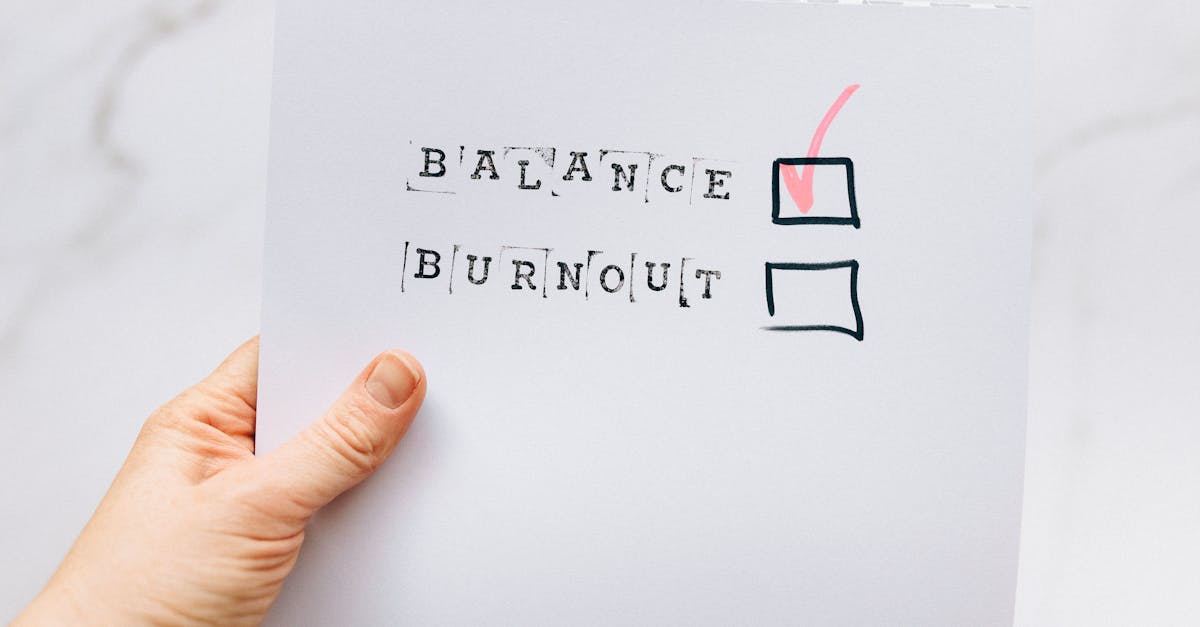
Ever stood in front of the fridge at 7:00 PM, stared into the light, and felt like crying because you couldn’t pick between leftovers and pasta? You’re juggling work, family, messages, and a million chores. By the time evening rolls around, your mind is completely fried. That heavy feeling isn’t you being lazy—it’s called decision fatigue. In this guide, we’ll explore what this sneaky brain drain is, why it messes with your mental health, and where all that sudden overwhelm comes from. More importantly, you’ll learn simple, everyday tricks to cut through the noise, protect your mental energy, and stop dreading simple choices. Stick around, and you’ll walk away with a lighter head and real peace of mind.
The Invisible Battery Inside Your Head
Think of your willpower and focus like the battery bar on your phone. When you wake up after a solid sleep, you’re usually sitting at a bright green one hundred percent. Every time you make a call, check a map, or play a game, that bar drops. Your brain runs on the exact same logic.
Most of us think we only burn brainpower on big stuff, like passing a math test or buying a car. That’s actually not true. Every tiny flick of your mind costs a little bit of juice. Snooze the alarm or sit up? Blue socks or black socks? Coffee now or after a shower? Each little pick nibbles away at your energy. By lunchtime, your battery is yellow. By dinner, it’s flashing red. When that power dips low, choices don’t just feel hard—they feel physically heavy, like you’re trying to swim in wet jeans.
Sarah’s Tuesday: The Slow Build of Brain Drain
To see how this works in real life, let’s imagine a fictional woman named Sarah. Sarah works an office job, has a dog, and tries her best to stay healthy. On paper, her Tuesday isn’t special or tragic, but let’s look at what her mind goes through before sunset.
Before Sarah even leaves the house, she has already picked her clothes, debated whether she has time to boil eggs, and decided which podcast to stream in the car. At work, her inbox holds fifty unread messages. She answers twenty, decides which tasks can wait until tomorrow, and picks a polite way to say no to a coworker asking for help. By 4:00 PM, Sarah hasn’t run a marathon, but her brain has run through thousands of tiny calculations. When she gets home and her partner says, “Hey, what should we watch on TV tonight?” Sarah snaps. She isn’t mad at her partner. Her mental switchboard is just smoking from too many calls.
When Mental Exhaustion Spills Into Anxiety
When you stay on a low battery day after day, your mood starts paying the bill. Decision fatigue doesn’t stay in its lane; it spills right over into your mental health. You might find yourself feeling irritable, sad, or jumpy for no good reason.
Your brain hates being out of gas. When it runs dry, it starts viewing normal things as threats. That friendly text from a buddy asking to hang out on Saturday doesn’t feel like an invitation anymore—it feels like a chore. You worry you’ll say the wrong thing. You worry about picking the wrong restaurant. Before you know it, basic daily decisions trigger a wave of anxiety. You start to doubt yourself, asking, “Why can’t I just handle life like everyone else?” It’s a vicious circle: tiredness breeds stress, and stress makes every future choice even tougher.
The Big Freeze and the Wild Splurge
When your mind hits a wall, it usually copes in one of two extreme ways. Psychologists call them avoidance and impulsivity, but you can just think of them as freezing up or making wild bets.
The first reaction is hitting the brakes completely. You open a shopping website to replace your worn-out sneakers, see four hundred styles, and just close the laptop. You decide to do nothing, which means the chore hangs over your head for another week. The second reaction is doing the exact opposite: throwing caution to the wind. You’re so tired of weighing pros and cons that you just say, “Whatever!” That’s when people buy things they can’t afford, order three greasy pizzas when they’re trying to eat better, or send a reckless text just to get it over with. It’s your brain’s clumsy way of saying, “I can’t think anymore, make it stop.”
Why Modern Life Makes Things Ten Times Harder
Our ancestors never had to deal with this mess. Hundreds of years ago, people ate whatever was harvested, wore the few clothes they owned, and worked the family farm. Today, we live in an explosion of options.
Walk down any grocery store aisle. You don’t just buy mustard; you choose between thirty-five brands of spicy, brown, yellow, and organic honey mustard. Jump on a streaming app, and you get ten thousand movies. Look at your phone, and twenty notifications demand you choose whether to tap or swipe away. We think having endless choices equals freedom. In reality, it traps us in a guessing game where we constantly wonder if the option we left behind was better. This constant fear of missing out keeps our minds running hot, all day long.
Practical Ways to Put Life on Cruise Control
The good news is that you don’t have to flee to a quiet cave to fix this. You just need to build a few speed bumps that keep your brain from burning fuel on nonsense. The goal is simple: automate the little things so you have power left for what counts.
- Wear a personal uniform: You don’t have to wear the exact same black turtleneck like Steve Jobs did, but keeping a simple rotation of five favorite outfits removes twenty minutes of morning mirror-debating.
- Theme your week: Stop asking what’s for dinner every single night at 6:00 PM. Make Tuesdays taco night and Thursdays pasta night. When you take the debate away, dinner gets easy.
- Make big calls early: If you need to have a serious talk with someone or tackle a hard project, do it in the first two hours of your day when your battery is full.
- Embrace “good enough”: Not every decision needs to be perfect. Pick the first movie that looks decent and hit play. If the shoes fit, buy them and move on.
Letting Go of the Pressure to Choose Everything
Sometimes the kindest thing you can do for yourself is passing the baton. You don’t have to be the CEO of every single moment in your day. When someone asks you where you want to eat lunch, practice saying, “I don’t mind, you pick, and I’ll enjoy whatever comes.”
This is also where good tools come in handy. Here at our company, we spend all our time thinking about how to clear this exact kind of mental clutter, helping people streamline their days so they aren’t drowning in details. Whether you’re delegating tasks to a friend, leaning on a simple planning app, or sharing duties at home, handing off micro-decisions isn’t lazy. It’s smart maintenance. When you clear out the tiny pebbles from your shoes, you can walk a lot further without your feet hurting.
Life is full of forks in the road, but picking a path shouldn’t feel like dragging an anchor. We’ve looked at how daily choices slowly drain your mental battery, pushing you toward panic, autopilot buying, or total brain freeze. When you understand why your mind locks up, you can stop blaming yourself for feeling overwhelmed. By trimming down pointless daily choices, setting up easy routines, and leaning on helpful support systems, you can save your mental energy for the things that truly matter. You deserve to end your day feeling calm instead of crushed. Start small, automate what you can, and give your busy brain the break it has been begging for.