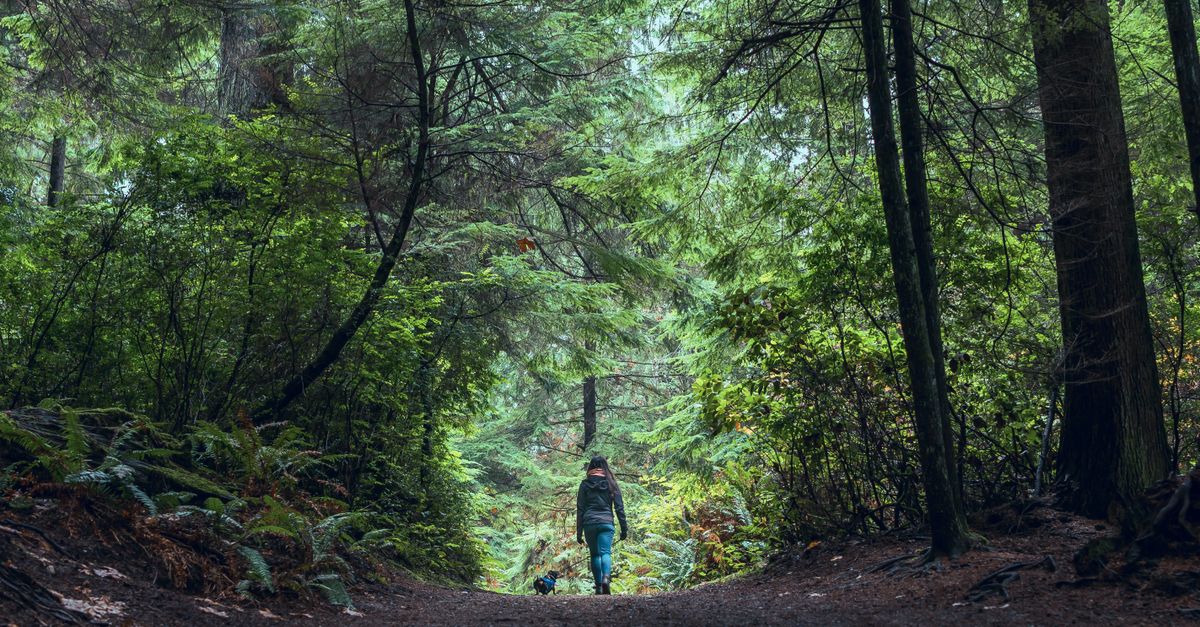
Ever feel like your brain has fifty tabs open, three are frozen, and there’s loud music playing from who knows where? Between endless work notifications, daily chores, and pinging group chats, feeling completely overwhelmed has become the default setting for so many of us. You’re exhausted, snappy, and desperately craving a moment of quiet. That’s why we’re digging into a simple question: can spending time outdoors actually help you reset when life gets too loud? In this guide, you’ll learn what happens to your stressed-out brain when you step outside, the simple science behind feeling calmer in green spaces, and tiny daily tweaks to recharge your batteries. By the end, you’ll have an easy, zero-cost blueprint to finally breathe again.
The “Too Many Open Tabs” Brain
Think about a fictional guy named Marcus. Marcus works at an office desk, staring at spreadsheets while his phone buzzes with family texts. His smartwatch vibrates to tell him his heart rate is high, and his email inbox dings every thirty seconds. By 3:00 PM, he feels like his skull is packed with cotton.
Marcus isn’t lazy. His brain is just plain tired.
Psychologists call this mental drain directed attention fatigue. When you work, study, or drive through heavy traffic, your brain has to work double-time. It forces you to zero in on one single task while aggressively ignoring distractions like noise, hunger, or incoming alerts. Doing that hour after hour drains your mental fuel tank completely.
When the tank hits empty, you get cranky. Decisions feel impossible. You start snapping at people you love over spilled water or a misplaced shoe.
Nature’s Gentle Reset Trick
So, what happens when Marcus closes his laptop, leaves his phone behind, and steps into a small park down the street?
Everything flips.
Trees don’t send push notifications. A patch of grass doesn’t demand an answer by the end of the day. Instead, the natural world invites your brain into something called soft fascination.
Soft fascination is what happens when you watch sunlight dance through tree leaves, or notice how ripples move across a puddle. These things catch your eye naturally, without forcing you to strain or concentrate. While your senses enjoy the gentle show, the hard-working control center of your brain gets to take a nap and recharge its batteries.
What Happens Under Your Skin
This feeling isn’t just in your head. Your whole body physically responds the moment you cross the threshold into the open air.
When you’re stuck in the grind, your body stays trapped in fight-or-flight mode. It pumps out stress chemicals like cortisol and adrenaline, getting ready to run from a tiger that doesn’t actually exist.
Stepping into green spaces acts like an emergency brake on that stress loop. Here is what shifts inside you within just a few minutes:
- Heart rate slows down: The rhythmic thumping in your chest eases into a calm, steady beat.
- Blood pressure drops: Your blood vessels loosen up, taking the physical squeeze off your circulatory system.
- Cortisol plunges: Those nasty stress hormones clear out, letting your muscles untense and your shoulders drop away from your ears.
- Immune boosts kick in: Trees release organic compounds into the air that actually help your immune system fight off colds.
It turns out that fresh air is literal medicine for your nervous system.
The Twenty-Minute Sweet Spot
A lot of people think, “Well, I can’t afford to hike the Appalachian Trail this weekend, so why bother?”
Good news: you don’t need a plane ticket or a tent to feel human again.
Scientists looked closely at how long people need to stay outside to drop their stress levels. They discovered that the biggest drop in stress hormones happens between twenty and thirty minutes of simply sitting or strolling in a place that feels like nature.
Twenty minutes. That’s shorter than one episode of a sitcom.
You can sit on a bench during your lunch break. You can read a chapter of a book on your front steps. You can pace around your backyard while your dog sniffs the fence. The clock starts helping you the second your shoes touch the ground outside.
Waking Up Your Senses to Ditch the Worry
Overwhelm usually lives entirely in the future or the past. You’re either replaying a bad conversation from this morning, or dreading an upcoming meeting tomorrow.
Nature forces you back into right now through your five senses.
Take a fictional woman named Elena. She’s spiraling about paying her bills next week. But as she walks along a neighborhood trail, she catches the sharp, clean smell of damp dirt and pine needles. A sudden gust of chilly wind bites her cheeks. Overhead, two crows carry on a noisy argument.
Suddenly, Elena isn’t trapped in next week anymore. She’s right here, feeling the ground beneath her sneakers and hearing the wind rustle through dry grass.
When you fill your senses with the real world, there just isn’t room left in your brain to juggle twenty worries at once.
Sneaking Outdoor Time into an Overloaded Life
If you’re already feeling buried, adding “spend two hours in the woods” to your to-do list just creates more pressure. That defeats the whole point.
Here at OutwardPath, our small crew spends every day showing busy people how to weave nature into tight schedules without upending their routines. You don’t need to change your lifestyle; you just need to shift a few regular habits through the door.
Try testing out one of these tiny swaps this week:
- Drink your morning brew on the porch: Leave your phone on the kitchen counter and give yourself five minutes with the sky before looking at the news.
- Take audio calls on foot: If you have a phone meeting where you just need to listen, pop in your headphones and walk around the block.
- Eat lunch away from screens: Ditch your desk or cafeteria and find a sunny patch of grass or a picnic table nearby.
- Stargaze for three minutes: Before you brush your teeth at night, step out back and look up into the dark.
These tiny moments add up fast. They create quiet pockets in your day where your brain can exhale.
Feeling overwhelmed isn’t a personal failure. It’s just a sign that your brain wasn’t built to process endless screens, buzzing notifications, and nonstop demands all day long. When you step outdoors, you give your nervous system permission to stand down. You shift your mind from intense, exhausting focus to a gentle, restorative awareness. You don’t need a week-long wilderness retreat or fancy outdoor gear to feel the difference. Just twenty minutes sitting under a neighborhood tree, walking down a leafy block, or watching clouds can hit the reset button. The next time you feel the pressure building up behind your eyes, do yourself a favor: close your laptop, step outside, take one deep breath, and let nature do the heavy lifting.



