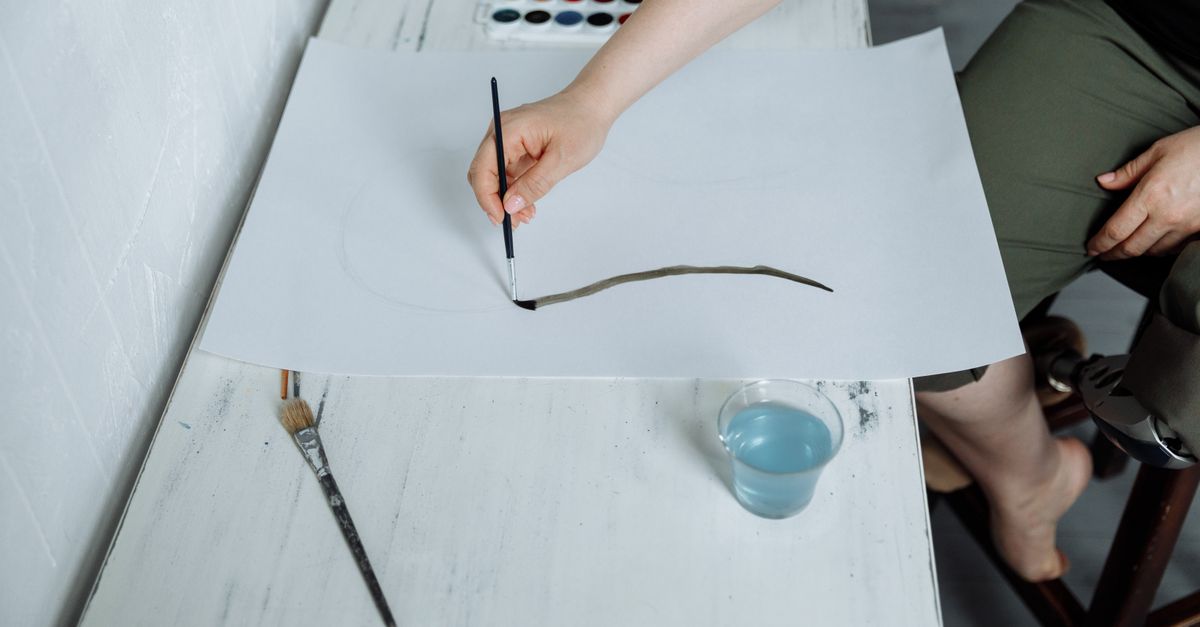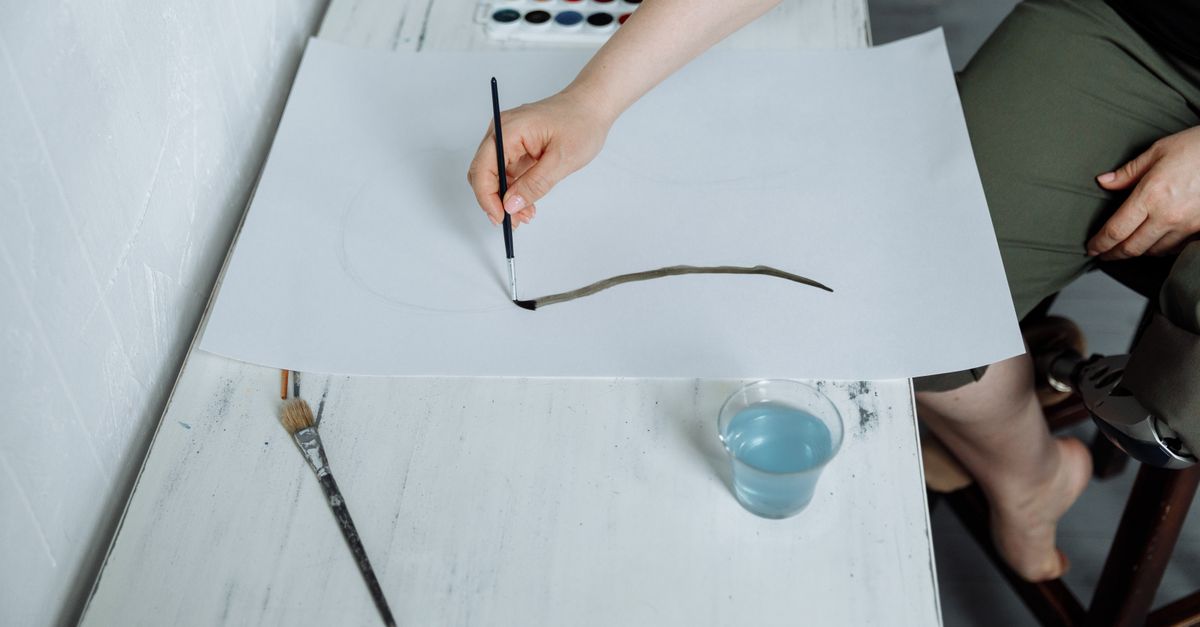
Picture this: it is 9:30 PM, your eyes sting from staring at screens, and your brain feels like a browser with forty open tabs. You are exhausted, but your mind just will not stop racing. If you are balancing a heavy workload, family chores, or endless studying, this kind of mental fog is tough to shake. You want real relief, not just another hour lost to mindless scrolling. That is where making things comes in. In this guide, you will learn why everyday creative hobbies act like a warm bath for a stressed-out brain. We will explore low-stress ways to start, break the fear of being bad at art, and help you reclaim your calm, one tiny project at a time.
The Science of Giving Your Mind a Recess
Think about a kid named Leo. Fictional Leo has had a rough day at school, followed by three hours of homework. If Leo sits down with a video game, his eyes get tired, and his heart might pump faster during boss fights. But if he grabs a lump of clay and squishes it between his fingers, something different happens. His shoulders drop. His breathing slows down.
That is not magic; it is biology. When you make things, your brain enters a groove known as flow. It is that sweet spot where you are so focused on what your hands are doing that you forget about your unpaid bills, your weird boss, or that awkward thing you said in 2018. Your brain stops blasting stress hormones and starts releasing little drops of dopamine, the chemical that makes you feel steady and pleased. You do not need to be an expert to get this reward. Your body just loves the rhythm of creating.
Kicking Perfectionism to the Curb
Here is the biggest lie people tell themselves: “I am not creative.”
We often think that if a drawing does not belong in an art museum, it is a waste of paper. Or we worry that if we pick up an acoustic guitar, we need to end up on stage. That kind of thinking ruins the whole point. Creative hobbies for mental health have zero to do with making masterpieces. They are about the fun of the mess.
Think of it like splashing in puddles. You do not jump in rain puddles to win a gold medal in swimming; you do it because the splash feels cool. Give yourself permission to make ugly stuff. Paint a blob that looks like an angry potato. Knit a scarf that ends up shaped like a slice of pizza. When you let go of being good, the pressure vanishes, leaving room for pure fun.
The Simplest First Step: Paper, Pen, and Doodles
Once you drop the need to be great, you need an easy place to start. The best hobby is the one that requires zero setup and costs almost nothing. You probably already own the tools: a plain ballpoint pen and scrap paper.
Try something called blind contour drawing. Pick an object on your desk—maybe your coffee mug or your houseplant. Stare only at the mug. Put your pen on the paper. Now, trace the edges of the mug with your eyes while your pen moves on the page, without looking down at your paper even once. It will look like a tangled bird nest when you finish, and that is hilarious. It breaks your brain’s rigid rules and forces you to stay right here in the present moment.
Another great trick is blackout poetry. Grab an old, discarded book or a newspaper page. Circle five or six words that pop out at you, then use a black marker to color over every other word on the page. You get the fun of writing without the terror of facing a blank sheet.
Getting Tactile: Why Your Hands Need to Touch Stuff
Doodling on flat paper is great, but sometimes your body craves physical texture. Most of us spend all day tapping smooth glass screens and plastic keyboards. Our sense of touch gets totally bored.
Bringing touch back can pull you right out of an anxiety spiral. Here are a few messy, tactile ideas that soothe a buzzing nervous system:
- Air-dry clay: Roll it into beads, pinch it into a tiny bowl, or simply flatten it with your palm. It is cheap, washes off easily, and hardens on your shelf without an oven.
- Basic collage: Cut up old magazines, cereal boxes, or junk mail. Glue shapes together based on colors you like. Tearing paper with your hands is surprisingly satisfying.
- Basic hand-sewing or mending: Fixing a tear in an old pair of jeans with bright thread gives your fingers a rhythmic, repetitive task that keeps racing thoughts away.
When your skin feels rough paper, cool clay, or soft thread, your brain gets grounded in physical reality. You are not trapped in your head anymore; you are right here in the room.
Looking Outward: Using Lenses and Sound
Maybe working with glue and paint feels like too much cleanup for your busy schedule. That is okay. Creativity is not just about craft supplies; it is also about how you pay attention to the outside world.
Take a color walk. Step outside your front door for ten minutes with a simple goal: find five things that are bright yellow. You might notice a dandelion growing through cracked concrete, a child’s forgotten toy, or a painted fire hydrant. Fictional everyday routines become treasure hunts when you look for hidden details. You can snap photos of these with your phone, but keep it quiet. Do not post them online for likes. Keep them like private little souvenirs of your walk.
Listening works the same way. Sit on your porch or near an open window and write down three distant sounds you usually tune out. A passing truck, a cooing pigeon, a distant lawnmower. Tuning your senses this way shuts down worries about yesterday or tomorrow.
Building a Tiny Habit Without Burning Out
Now comes the practical part: how do you keep this up when life gets frantic? If you tell yourself you are going to paint for an hour every night, you will probably quit by Thursday. An hour is too much pressure when you are already running on fumes.
Start ridiculously small. Aim for just five to ten minutes. Set a kitchen timer, do your little doodle or clay pinch, and stop the moment the bell rings, even if you want to keep going. Stopping while it is still fun makes you eager to come back tomorrow.
Also, keep your supplies within arm’s reach. If your sketchbook is buried at the bottom of a closet under three winter coats, you will never touch it. Leave a notebook and a good pen on your side table or kitchen counter. Make making things as easy as picking up the TV remote.
Starting a creative hobby is not about building a second career or showing off online; it is a gentle gift you give to your tired mind. By taking the pressure off your shoulders, ditching perfectionism, and picking up simple tools like paper, clay, or a camera, you give your nervous system a chance to rest and reset. You do not need expensive gear, mountains of free time, or natural-born talent to reap the mental health rewards. You only need a curious heart and a few spare minutes to play. Put down your phone, grab whatever is near you, and let yourself create something just for the joy of it today.