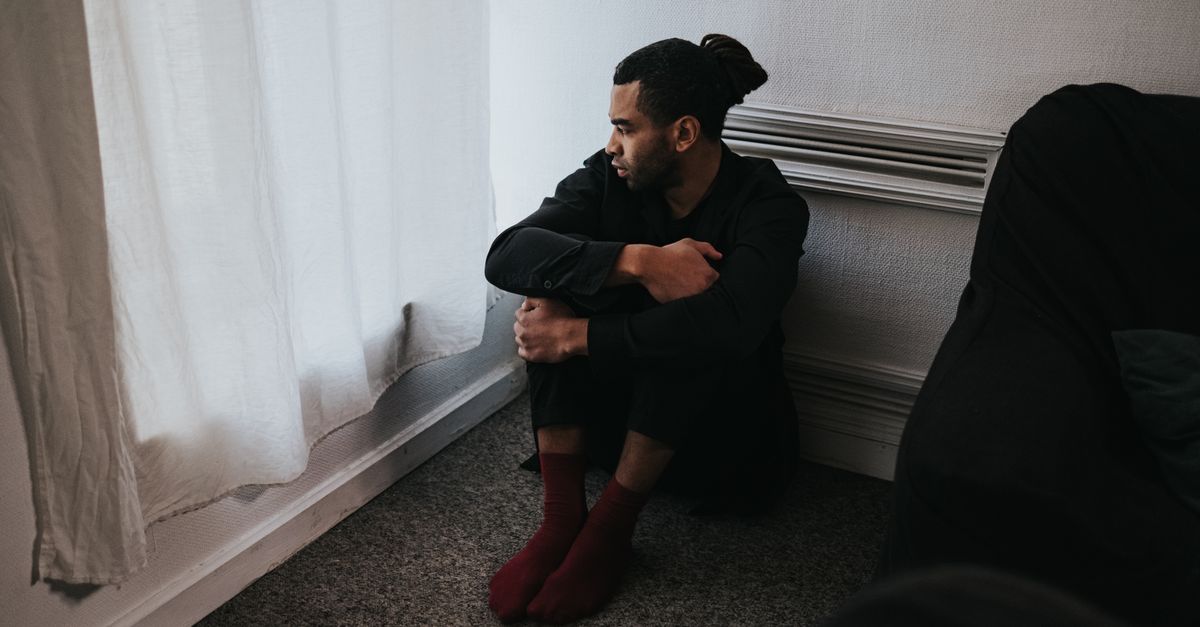
If you or someone you care about was just diagnosed with Borderline Personality Disorder, you might feel like you just got hit by a freight train. You look online, and suddenly you see horror stories calling folks with BPD “toxic,” “manipulative,” or “impossible to love.” That sting hurts deep. You are not a walking red flag; you are a real person carrying extra heavy emotional bags. In this guide, we will unpack what BPD really feels like, break down where these nasty rumors come from, and show you how to navigate a world that often gets it wrong. By the end, you will have a clear toolkit to brush off unfair labels and protect your peace.
The Third-Degree Burn of Big Feelings
Think of emotions like outdoor weather. Most folks carry a sturdy rain jacket. If a storm hits, they get damp, shake it off, and dry out quickly. But having BPD is like walking outside with skin that has third-degree sunburns. The slightest breeze or drizzle feels like burning fire.
Psychologist Marsha Linehan once described people with BPD as having no emotional skin. It means you feel joy, sadness, love, and fear way louder than everyone else. When good things happen, you are over the moon. But when a friend takes four hours to answer a text? Panic kicks in. Your brain screams that they hate you and are about to vanish forever.
That extreme reaction is not you being dramatic for fun. Your brain’s alarm system is simply turned up to eleven. You aren’t trying to cause chaos. You are just scrambling to put out what feels like a raging wildfire inside your chest.
Hollywood Made Us the Bad Guys
So, why does everyone think people with BPD are villains? You can thank movies and television for that mess.
Pop culture loves a wild drama. Whenever a movie needs an unhinged ex-partner who slashes car tires or stalks someone across town, writers slap a BPD label on them. They paint people with this condition as cold, calculating plotters who delight in hurting others. But here is the truth:
- Real BPD is rooted in fear, not malice.
- People with BPD hurt themselves on the inside far more than they ever hurt anyone else.
- The wild movie plots leave out the deep empathy, fierce loyalty, and creativity that many people with BPD actually possess.
When the public only learns about mental health from scary thrillers, real people pay the price. You end up having to defend your humanity before you even get a chance to introduce yourself.
The Quiet Pain of Daily Misunderstanding
Living under this shadow changes how you live your everyday life. You start second-guessing every word that leaves your mouth because you dread being called “crazy.”
Let’s look at a fictional example to see how this plays out. Picture a high schooler named Maya. Maya loves art, makes great playlists, and happens to have BPD. One day during lunch, her best friend sits at another table without waving. Anyone might feel a tiny pinch of worry, but Maya’s heart drops into her stomach. She feels completely abandoned and starts crying in the bathroom stall. When she tells her friend later that it hurt, her friend rolls her eyes and whispers, “Stop being so needy. You’re doing that BPD thing again.”
Maya swallows her feelings and goes quiet. That is what stigma does. It teaches you to hide your pain so you don’t scare people off, which only makes you feel more isolated than ever.
Walking on Eggshells in Relationships
Stigma does not just attack from strangers; it sneaks into your closest friendships and family dinners. It creates a weird, tense dance where everyone feels misunderstood.
Sometimes, loved ones treat you like you are made of paper. They stop telling you the truth because they are afraid you will shatter into a million pieces. Other times, they use your diagnosis as a weapon during an argument. Disagree with dinner plans? Suddenly, it is “your illness talking.”
That kind of reaction makes you feel trapped. When every valid emotion gets chalked up to a disorder, you lose your voice. Healthy relationships need honesty and room for messy days. When people treat you like an unpredictable bomb, nobody gets to connect honestly.
Flipping the Script and Rewriting the Story
Here is some great news: you do not have to buy into the bad press. BPD is not a life sentence, and it is definitely not a character flaw. It is just a treatable set of patterns.
Years ago, even some doctors falsely claimed BPD could not get better. Science has completely proven them wrong. With skills like Dialectical Behavior Therapy (DBT), folks learn how to catch their big feelings before they turn into runaway trains. You learn mindfulness, ways to tolerate distress, and how to communicate without feeling like the world is collapsing.
Over here at our clinic, we see people transform every single day. Folks build amazing careers, create steady friendships, and find calm waters. Having intense feelings also means you love hard, connect deeply, and bring tons of passion to the table. Once you learn how to handle the heat, that intensity can actually become a superpower.
How to Handle the World Right Now
While society slowly catches up, you need simple ways to protect yourself today. You don’t have to carry the whole world’s education on your shoulders.
- Pick your circle carefully. You do not owe your medical history to every coworker or acquaintance. Share your story only with people who have earned your trust.
- Separate yourself from the label. You have BPD, but you are not BPD. You are a complete person with favorite foods, hobbies, dreams, and talents.
- Call out myths gently. If someone makes a bad joke, a simple, “Hey, that’s not actually how it works, it’s mostly about emotional sensitivity,” can teach without starting a fight.
- Find your crew. Connecting with others who get it reminds you that your brain isn’t broken—it just works a bit differently.
Taking small steps like these keeps you grounded, no matter what silly things people say online.
Facing the stigma around Borderline Personality Disorder can feel like climbing a mountain with weights tied to your ankles. We have looked at how big emotions really work, stripped away Hollywood’s scary fairy tales, and showed how unfair labels hurt real relationships. Most importantly, you learned that recovery is real, and your diagnosis never defines your worth as a human being. The world might take time to understand what you walk through every day, but you do not have to wait for them to validate your journey. Give yourself grace, lean on real support, and remember that underneath all those heavy feelings is someone strong, capable, and deeply worthy of love and respect.



