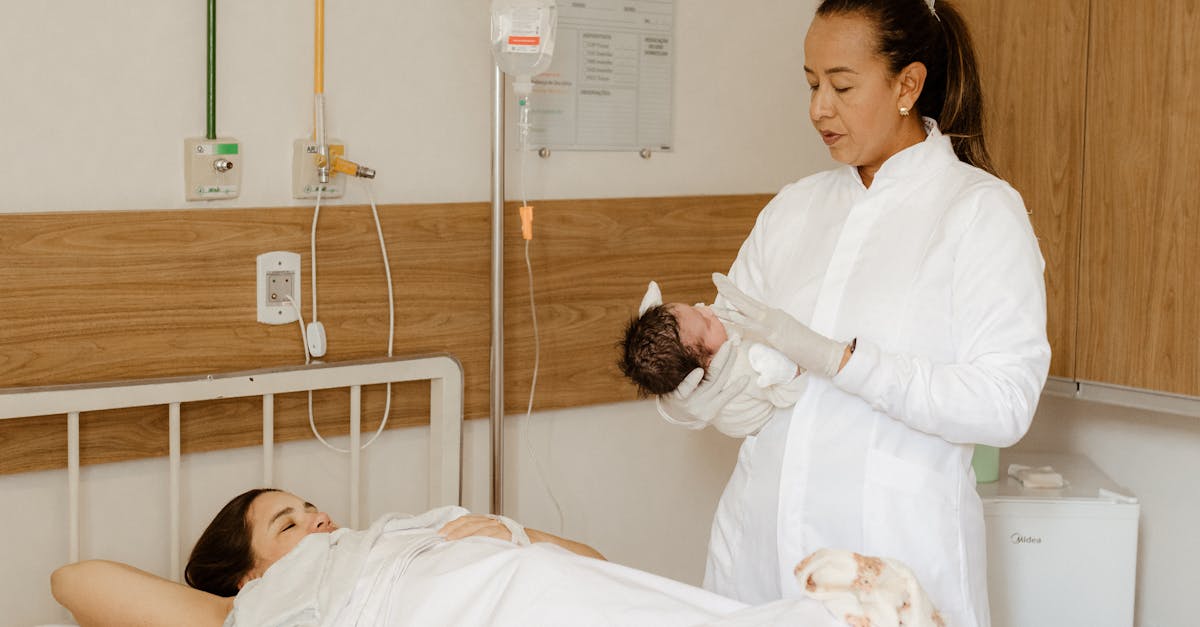
Bringing a tiny new human into the world changes everything in an instant. If you are sitting on the living room rug right now, rocking a newborn at two in the morning while fighting back tears, you are not alone. Most new parents expect to feel tired, and they expect the famous “baby blues” to kick in for a week or two. But what happens when the sadness doesn’t leave, or when heavy worry takes over your whole mind? In this guide, we will unpack what postpartum mental health really looks like beyond the usual teariness. You will learn how to spot red flags, discover why these struggles happen, and see the exact path toward feeling like yourself again.
The Two-Week Line: Baby Blues vs. Something Deeper
Almost every fresh mom gets hit by the baby blues. Your body just ran a marathon, your hormones drop like a roller coaster, and you are running on two hours of sleep. You might weep over a sappy diaper commercial or snap at your partner because they bought the wrong brand of crackers.
That is normal. It usually peaks around day four or five, and then it quietly fades out by the second week.
Postpartum depression (PPD) plays by completely different rules. It does not just pack up its bags after fourteen days. It lingers, thick and heavy, like a gray cloud stuck directly over your living room. Instead of just feeling weepy, you might feel totally empty, numb, or completely disconnected from the sweet baby asleep on your chest.
The Sneaky Cousin: Postpartum Anxiety
People talk a lot about postpartum depression, but nobody warns you about the buzzing electricity of postpartum anxiety (PPA). It does not always look like crying in bed. A lot of times, it looks like a heart racing at a hundred miles an hour while everyone else in the house is fast asleep.
Picture a fictional mom named Sarah. Let’s say Sarah just brought home her first baby boy. Instead of resting when he sleeps, she stands over his crib, staring at his chest to count his breaths. She checks the baby monitor eighty times an hour. Her brain spins worst-case stories on a constant loop: What if he rolls over? What if the room is too cold? What if I drop him down the stairs?
PPA turns your natural protective instincts up to volume eleven. It tricks your brain into thinking danger is lurking around every corner, leaving your muscles tense and your stomach in knots all day long.
Scary Thoughts You Are Afraid to Say Out Loud
Let’s talk about the scariest part of new parenthood: intrusive thoughts. These are sudden, awful images or ideas that pop into your head out of nowhere. You might be slicing an apple and suddenly think, What if I hurt the baby with this knife? Or you might walk past a staircase and visualize tripping.
Here is the truth: having an intrusive thought does not mean you want to do it. In fact, the reason it makes you panic is because it is the exact opposite of what you actually want.
When these thoughts get stuck on repeat and drive you to do certain rituals to stop them—like checking door locks five times or washing bottles until your hands bleed—that crosses into postpartum obsessive-compulsive disorder (OCD). It feels terrifying, but it is actually a treatable medical condition, not a flaw in your character.
The Storm Nobody Saw Coming: Postpartum Psychosis
While anxiety and depression happen to lots of people, postpartum psychosis is super rare, happening in roughly one or two out of every thousand births. But because it is a true medical emergency, we have to talk about it openly.
This condition happens very suddenly, usually within the first week or two after delivery. A parent might hear voices that nobody else hears, see things that are not there, or hold beliefs that make zero sense to the people around them. They might feel wildly energetic, like they do not need sleep at all, or seem totally detached from reality.
If this ever happens, it is not something to sleep off. It requires immediate, round-the-clock medical care to keep both parent and baby safe and sound.
Why Is This Happening to Your Brain and Body?
When you are struggling, your brain loves to whisper lies. It tells you that you are weak, that you were not cut out to be a parent, or that you are failing your child. Shut that voice down right now. Mental health struggles after birth are physical, chemical, and biological.
- Hormone cliff: Estrogen and progesterone drop faster in the hours after birth than at any other point in human life.
- Sleep deprivation: Going weeks without deep rest breaks down your brain’s ability to regulate mood and fear.
- Physical recovery: Your body is repairing torn tissue, bleeding, and adjusting to milk production all at once.
- Life shock: Your entire identity, schedule, and freedom flipped upside down in an afternoon.
It is a biological perfect storm. You did not choose it, and you certainly did not cause it.
Breaking the Silence and Getting Real Support
The heaviest part of postpartum struggles is the shame. We look at social media and see parents smiling in clean kitchens with sleeping babies, and we feel broken inside. But healing starts the minute you speak the truth out loud to someone safe.
Start small. Tell your partner: “I don’t feel like myself, and I need help.” Tell your doctor at your six-week visit, or call them way earlier. You do not have to wait for an official appointment to ask for relief.
Therapy gives you a space to vent without judgment, and safe medications can balance out the wild chemical drops your body went through. Community care teams and supportive wellness networks—like the compassionate folks on our team who spend every day helping families navigate this terrain—exist just to make sure you never have to walk this tightrope alone.
Building Your Daily Survival Toolkit
Getting better takes time, but small shifts today can take the edge off the panic. You do not need a two-hour spa routine; you need simple, bite-sized anchors to keep you steady.
- Protect one solid sleep chunk: Have a partner, relative, or friend take one four-hour stretch so your brain gets real REM sleep.
- Step into the sun: Five minutes of morning light on your face helps reset your frayed internal clock.
- Drop the chores: The sink full of dishes can wait. Feeding your baby and keeping your mind calm are the only things that truly matter today.
- Move your body gently: A slow stroll down the driveway gets fresh air into your lungs without burning energy you don’t have.
Healing is not a straight line. Some days will feel light, and other days will feel like you took two steps back. Give yourself grace through the messy middle.
Welcoming a baby turns your entire universe inside out, and it is completely normal to feel disoriented along the way. We walked through the real differences between typical mood swings and deeper struggles like anxiety, depression, and OCD. We broke down the heavy physical reasons behind these shifts and mapped out simple, practical habits to protect your peace. Most importantly, remember that struggling does not make you a bad parent—it simply makes you human. If the days feel too dark right now, reach out to doctors, family, or specialists who care. You deserve support, gentle care, and a bright future, and with the right help, you will find your footing again.