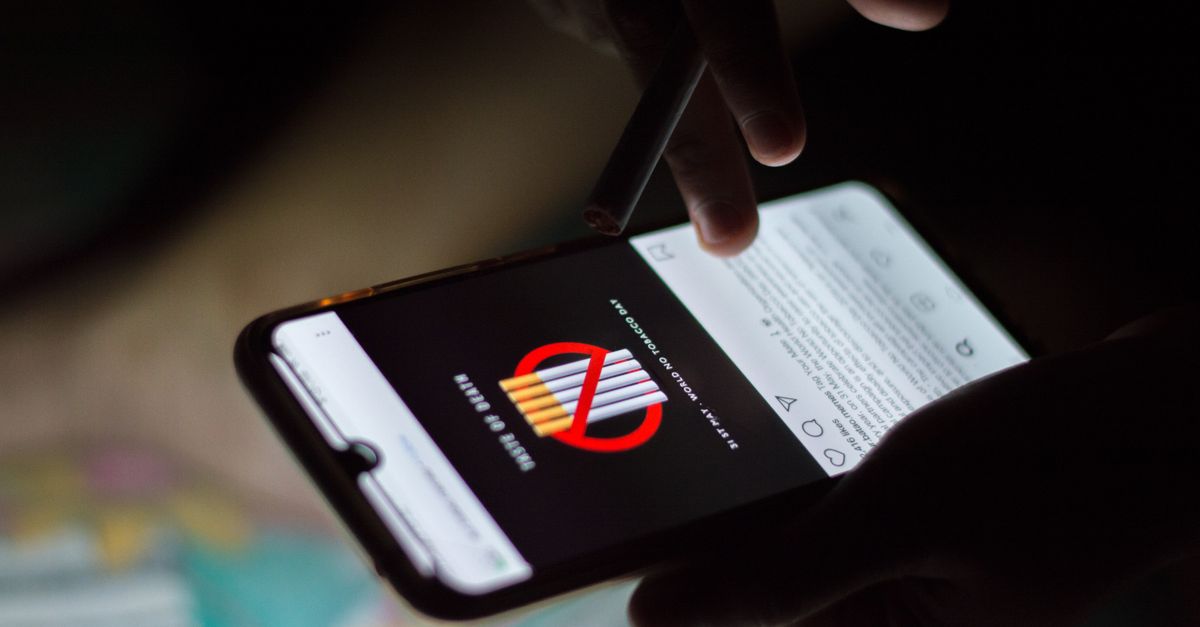
You’re sitting on the couch after a long day, wearing sweatpants with a mystery stain, mindlessly scrolling through your phone. Suddenly, you see someone from high school buying a huge house, followed by a travel blogger sipping coconut water on a private beach in Bali. Out of nowhere, your chest feels tight, and your regular, cozy life suddenly looks boring. If that sounds familiar, you’re not broken. You’re just stuck in the social media comparison trap. In this guide, we’ll look at why your brain falls for this optical illusion, how those endless feeds mess with your mood, and how to take back control. By the end, you’ll have a clear game plan to reboot your screen time and love your real life again.
Your Real Life vs. Their Cut Scene
Ever watch a movie and wonder why nobody ever trips over their own feet or gets stuck doing laundry? It’s because the director cuts out the boring stuff. Social media works the exact same way. Nobody is posting pictures of their pile of dirty dishes, their awkward conversations, or the bad haircut they got yesterday.
Let’s look at a totally made-up example to see how this works. Imagine a fictional guy named Marcus. Marcus posts a photo of an immaculate avocado toast sitting next to a steaming latte, bathed in perfect morning sunlight. The caption reads, “Rise and grind, loving the journey.” What you don’t see outside the camera frame is that Marcus burnt the first two slices of bread, his kitchen sink is overflowing with dirty pans, and he actually argued with his roommate five minutes before snapping the shot. You’re comparing your messy, whole day to someone else’s best two seconds. It’s completely unfair to you.
The Sneaky Brain Chemistry Behind the Scroll
Why do we keep looking even when it makes us feel crummy? The short answer is that your brain is wired like a little reward machine. Every time you pull down to refresh your feed, it’s like pulling the arm on a slot machine. Sometimes you see a funny dog video, sometimes you see a cool recipe, and sometimes you see someone doing way better than you.
Humans are social creatures. Thousands of years ago, we needed to know where we stood in our tribe just to survive. If you weren’t keeping up, you got left behind in the wilderness. Your brain still thinks that ancient rule is running the show. When you see a peer succeeding online, your ancient survival alarm goes off and whispers, “Hey, you’re falling behind!” Recognizing that this is just old biology playing tricks on you helps take the sting out of that weird, jealous feeling.
Spotting Your Silent Triggers
Now that you know why your brain does this, you can start catching it in the act. Comparison rarely screams at you. Most of the time, it sneaks in quietly. You might not even realize why your mood tanked until an hour after putting the phone down.
Start paying attention to the physical clues your body gives you while you scroll. Do you notice any of these happening?
- Your shoulders creep up toward your ears, holding tension you didn’t have ten minutes ago.
- You catch yourself holding your breath while watching someone’s vacation reel.
- You feel a sudden urge to buy something expensive that you didn’t even care about yesterday.
- A tiny voice in your head starts picking apart your own job, clothes, or apartment.
The moment you feel that drop in your stomach, stop. Name it right then and there. Simply saying to yourself, “I’m comparing myself right now,” gives you the power to step away before the spiral gets going.
Pruning Your Virtual Garden
Think of your digital feed like a garden in your front yard. If weeds start popping up and choking out the flowers, you wouldn’t just sit on the porch and complain about the weeds. You’d go pull them up by the roots. Your apps should only feed you things that make you laugh, learn, or feel connected to real friends.
It’s time for a friendly audit. You don’t have to cause drama or announce your departure to the world. Just quietly use the tools you have:
- Unfollow without guilt: If an influencer makes you feel like you aren’t pretty enough or rich enough, hit the button. They won’t even notice, but your peace of mind will.
- Use the mute button: Maybe it’s a family member or a coworker you can’t unfollow without making Thanksgiving awkward. Mute their stories and posts. They stay happy, and you stay sane.
- Reset your algorithm: Spend ten minutes searching for things that genuinely make you happy, like woodworking, rescue animals, or local history. The app will quickly learn what you actually want to see.
Our small crew here at BalanceDesk spends a lot of time testing screen-habit resets, and we always notice the same thing: people feel an almost immediate wave of relief within twenty-four hours just by clearing out twenty toxic accounts. It truly changes the air you breathe online.
Swapping Screen Glare for Fresh Air
Once you clean out your feed, you’ll naturally find yourself spending less time glued to the glass. That opens up empty space in your day. If you don’t fill that space with something fun, your thumbs will wander right back to the apps out of sheer boredom.
Think about a fictional girl named Sarah. When Sarah cut her screen time in half, she suddenly had two extra hours every evening. At first, she felt fidgety and lost. So, she bought a cheap sketchbook and started drawing goofy doodles while listening to music. She wasn’t trying to become a famous artist; she was just giving her hands and brain something tangible to play with. Find tiny hobbies that don’t need a screen. Go for a brisk walk around the block, bake some cookies, call a buddy to talk about nothing, or flip through a graphic novel. Real-world dopamine feels a whole lot warmer than digital dopamine.
Keeping the Old Habits from Creeping Back
Changing your digital life isn’t a one-and-done chore like painting a fence. It’s more like brushing your teeth; you have to keep up with it so things stay fresh. Old habits love to tiptoe back into your routine when you’re tired, stressed, or lonely.
Set up simple roadblocks that protect you from yourself. Buy a five-dollar alarm clock and charge your phone in the hallway so it isn’t the first thing you grab when your eyes open. Turn off badges and alerts so your pocket isn’t buzzing every time someone likes a picture of a cat. Most importantly, give yourself some grace. If you catch yourself lost in a forty-minute rabbit hole comparing your life to a stranger’s, don’t beat yourself up. Just close the app, stretch your legs, and remember that life is happening right in front of you, not behind the glass.
Scrolling through polished photos will always trick your mind if you forget what’s behind the camera. We’ve walked through the smoke and mirrors of highlight reels, looked at the brain loops that hook you, and mapped out how to silence the triggers that drag you down. Fixing your digital habits isn’t about throwing your phone into a river. It’s about building simple boundaries, curating who gets your attention, and trading zombie scrolling for things that actually fill your tank. You deserve to feel comfortable in your own shoes without measuring your journey against someone else’s curated snapshot. Unfollow the noise, step into the sunlight, and give yourself credit for the genuine, imperfect, wonderful life you’re building right now.



