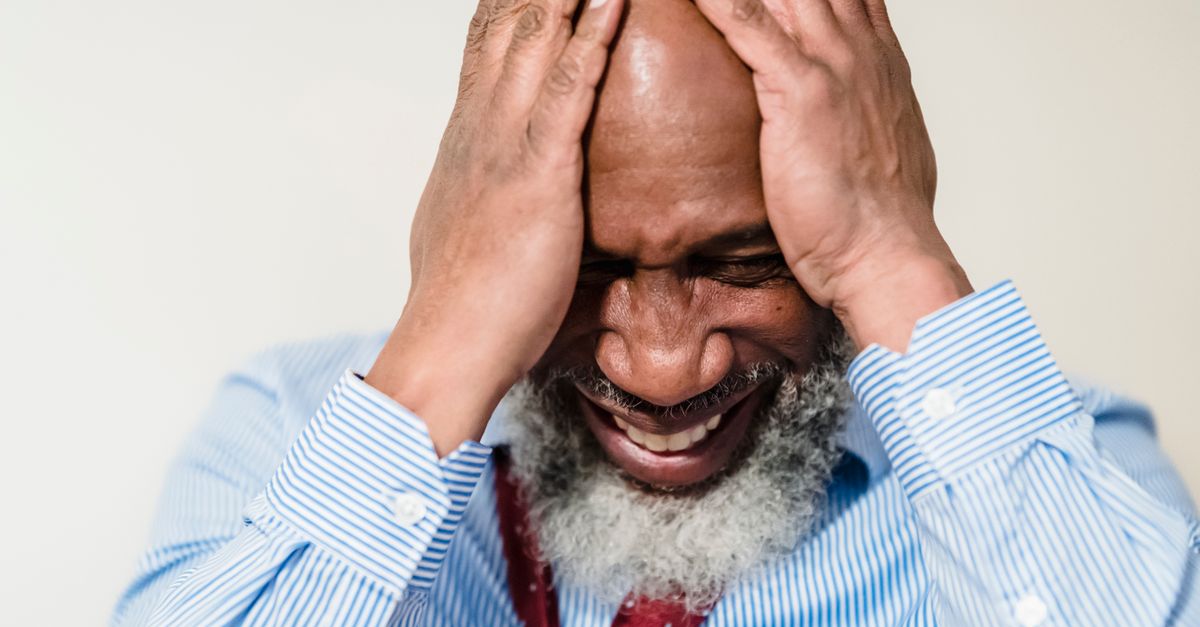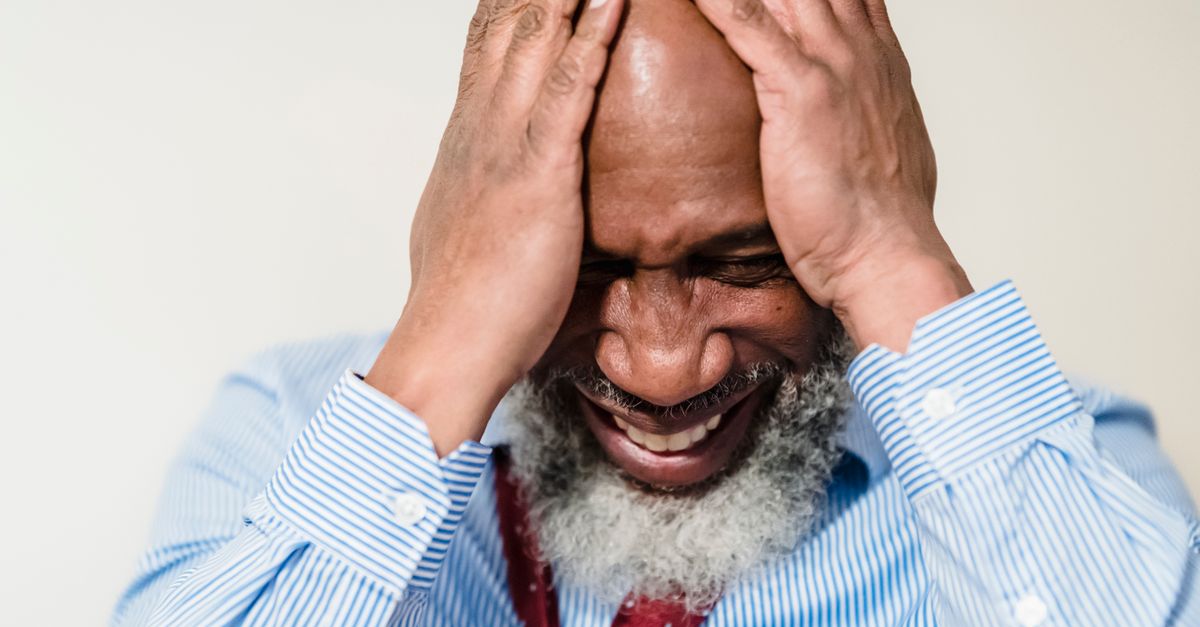
You are lying in bed at two in the morning, staring at the ceiling fan spinning around. Your chest feels tight, your brain is running a marathon, and you cannot seem to hit the brakes. You are juggling bills, family, and a never-ending to-do list, wondering why your body feels like a live wire. Is this just everyday stress piling up, or are you actually dealing with anxiety? It is easy to mix them up because they feel almost identical inside your body. In this guide, you will learn the clear differences between the two, see how they play out in everyday life, and pick up simple ways to calm things down so you can finally catch your breath.
The Smoke Alarm and the Campfire
Think of your emotions like fire and smoke. Stress is the campfire right in front of you. It has a clear, visible source. Maybe it is a flat tire, an upcoming deadline, or a massive pile of laundry waiting on your couch. The heat you feel is a direct reaction to that pressure. When you put the fire out—by fixing the tire, turning in the project, or folding the clothes—the heat fades away.
Anxiety is more like a smoke alarm that keeps blaring even after the fire is completely gone. In fact, sometimes there was never a fire in the first place, just someone burning a piece of toast three houses away. Anxiety is an internal reaction to a threat that might happen tomorrow, next year, or never at all. It lingers in the background, keeping you on edge without a clear enemy in sight.
A Tale of Two Bad Days
To see how this works in real life, let’s imagine a fictional guy named Leo. Leo has a presentation coming up at work on Thursday afternoon. On Wednesday night, Leo feels sick to his stomach, snaps at his roommate, and drinks three cups of coffee just to stay awake while making slides. That is textbook stress. The deadline is the monster in the room, and Leo’s brain is pumping out adrenaline to help him survive it.
Now consider what happens next. Friday morning arrives. The meeting went fine, the boss was happy, and the job is done. But Leo still cannot eat breakfast. His heart races whenever his phone buzzes. He finds himself thinking, What if they secretly hated it? What if I get fired next month? What if I am completely broke by winter? Now Leo is swimming in anxiety. The real-world problem vanished, but his body still acts like danger is lurking behind the refrigerator.
What Your Body Does Under Siege
Both stress and anxiety trigger the exact same emergency button in your nervous system. Back when humans had to dodge saber-toothed tigers, this system saved our lives. Today, it treats an angry text message like a hungry predator. Your body does some weird things when this alarm trips:
- Your heart pounds: Blood rushes to your legs and arms so you can run away or throw a punch.
- Your belly aches: Digestion shuts down because your brain thinks digesting a sandwich is a waste of energy during an emergency.
- Your shoulders rise: Muscles tighten up like armor to brace for impact, leaving you with a stiff neck and aching jaw.
- Your breath turns shallow: You take quick, short sips of air to pump oxygen into your system.
Because the physical feelings match, you cannot rely only on your heartbeat to tell you what is going on. You have to look at the trigger behind it.
The Sneaky Trap of “What If?”
Stress lives in the present moment, while anxiety lives in the scary future. When you are stressed, your thoughts sound very practical: I have three hours to finish this report, and my printer just ran out of ink. That is frustrating, but it is tied to real objects in real time.
Anxiety, on the other hand, speaks almost entirely in the language of what if? It takes a tiny grain of truth and builds a giant haunted house out of it. You hear a weird noise in your car, and within ten seconds, your brain convinces you the engine will blow up, you will lose your job, and you will end up living in a cardboard box. Anxiety loves to paint terrifying pictures of things that have not happened yet. It acts like worrying about a problem ahead of time somehow keeps you safe from it.
Why Knowing the Difference Matters
You cannot fix a leaky sink with a hammer, and you cannot fix anxiety the exact same way you fix stress. That is why untangling the two is so helpful. It saves you from wasting your energy on the wrong solution.
If you are dealing with stress, the cure is practical action and rest. You say no to an extra project, ask a friend for help moving your couch, or take a long nap on Saturday. You change your schedule or deal with the problem directly, and the pressure drops. That is actually why our team at SteadyPath builds simple daily trackers—because sometimes looking at your day on paper is all it takes to spot the real problems weighing you down.
With anxiety, crossing items off a chore list rarely brings peace. You can finish every single task on your desk, and your stomach will still be tied in knots. That is because the issue is not your schedule; it is the way your brain is predicting disaster. Calming anxiety requires teaching your nervous system that you are safe right now, even when things are uncertain.
Simple Ways to Reset Your System
You do not need a mountain of self-help books to start feeling better. Small, gentle habits can pull you out of the storm before it sweeps you away. Here are three basic moves anyone can try:
- Take longer exhales: Breathe in through your nose for a count of four, then breathe out through your mouth for a count of six. Longer exhales tell your brain the danger has passed.
- Name your surroundings: Look around the room and find three blue things, two soft things you can touch, and one sound you hear. This pulls your brain out of the future and back into the room.
- Ask the evidence question: When you catch yourself spinning out over a scary thought, pause and ask, Is this happening right now, or am I just imagining it? Stick to what is right in front of your eyes.
It takes practice, but these small actions show your body that it can stand down.
Figuring out your feelings is not about being weak or broken; it is just about learning how your body’s dashboard works. Stress tells you that your plate is too full right now, while anxiety warns you that your mind is spinning scary stories about tomorrow. The good news is that you do not have to carry either of them by yourself forever. When you learn to spot the campfire versus the smoke alarm, you can choose the right tool to calm things down. Start small, take a slow breath, and be patient with yourself along the way. You deserve to feel calm, steady, and at peace inside your own skin.