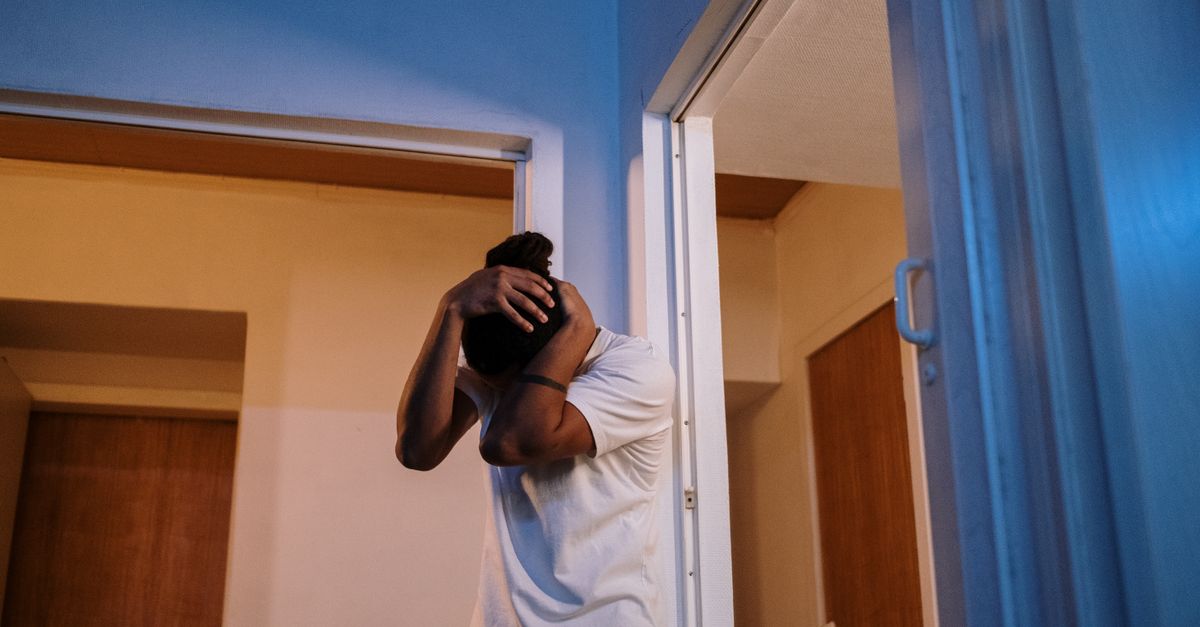
Have you ever put on your shoes, walked up to your front door, and suddenly felt your stomach drop into your shoes? If you feel anxious just thinking about stepping out into a busy grocery store, riding a bus, or being in wide-open spaces, you aren’t alone, and you aren’t broken. That heavy, stuck feeling has a name: agoraphobia. In this guide, we are going to unpack why your mind makes leaving the house feel like walking into a storm. You’ll learn how this fear works, simple ways to calm your nervous system, and practical steps to expand your world again. By the end, you will have a clear, gentle roadmap to start feeling safe outside your front door.
What Agoraphobia Really Looks Like
Most movies get this completely wrong. They show someone hiding under a blanket, afraid of sunlight or fresh air. But agoraphobia isn’t about hating the outdoors.
At its heart, it’s about safety. It is the fear of being in places where escape might feel tricky, embarrassing, or impossible if panic strikes. That could mean standing in a crowded checkout line, sitting in the middle seat at a movie theater, or riding on a subway train. Your brain treats these regular spots like real danger zones.
When that happens, your body sounds a false alarm. Your heart pounds, your hands get sweaty, and your head might spin. Naturally, you want to rush straight back to the place where you feel most secure: your home.
A Quick Look at How Panic Hits: Leo’s Story
To see how this plays out in real life, let’s imagine a fictional situation with a guy named Leo. This is just a made-up example, but it shows how ordinary moments can suddenly flip upside down.
Leo needs milk, so he drives to the local grocery store. Nothing fancy. But right as he steps inside, the bright lights feel blinding, the aisles seem endless, and the hum of the crowd turns loud. His chest tightens. His brain screams, You’re trapped. If you pass out here, nobody can help you.
Leo drops the milk carton and rushes back to his car. The second he closes his front door at home, his breathing slows down. His body whispers, Phew, we survived. Next time, let’s just stay inside.
The Sneaky Trap That Shrinks Your World
What happened to Leo is something so many of us experience. It’s a sneaky trap called the avoidance loop.
When you run away from a scary place, you feel instant relief. That relief feels amazing! But there’s a catch. Your brain takes notes. It thinks, Running away saved our life today, which means that grocery store really was deadly.
So next week, going to the store feels twice as scary. Soon, you stop going to the park, too. Then you skip eating out. Little by little, your safe territory shrinks until your bedroom feels like the only safe island left. You aren’t doing this on purpose—your brain is just trying too hard to protect you.
Taking Back Ground with Tiny Wins
So, how do you stretch that island back out? You don’t do it by throwing yourself into a massive rock concert tomorrow. That would be like trying to run a marathon without ever jogging down the block.
You do it with micro-steps. Psychologists call this gradual exposure, but you can just think of it as dipping your toes in the water.
- Day 1: Put on your shoes and sit on your front porch for five minutes.
- Day 3: Walk down to the mailbox, pick up the mail, and take three slow breaths.
- Day 5: Walk to the end of your driveway and back.
- Week 2: Stroll to the corner stop sign with a family member.
The goal isn’t to feel zero fear. The goal is to prove to your brain that panic rises, peaks, and fades away on its own—even if you don’t run back inside.
Tools You Can Keep in Your Pocket
When you are practicing these steps, panic will try to bluff you. Having quick physical tools ready helps you call that bluff.
First, grab a cold water bottle. When your brain starts spiraling, take a sip or hold the cold plastic against your wrists. The cool shock pulls your attention right out of your head and back into your hands. It acts like a reset button for your nervous system.
Another trick is the 5-4-3-2-1 game. Look around and name five things you can see, four things you can touch, three things you can hear, two things you can smell, and one thing you can taste. It keeps your mind busy with real facts instead of spooky worries.
You Never Have to Walk This Road Alone
Facing big fears by yourself is exhausting. Trying to hide it from friends or coworkers makes the burden feel twice as heavy.
Talking to people who truly understand makes a huge difference. That might mean letting a trusted friend know what you are working on, so they can cheer you on when you walk to the sidewalk. It might mean chatting with a therapist who knows how to guide those baby steps safely.
That is also why communities and support teams like ours exist. We spend our days helping people make sense of these overwhelming feelings, offering steady guidance and warm encouragement so you never feel isolated in your struggle. Reaching out isn’t admitting defeat. It’s simply packing the right gear for the hike.
Living with agoraphobia can make life feel like it has been shrunk down to fit inside a single room. But as we walked through today, your fear is not a permanent life sentence—it is just your brain’s alarm system acting overprotective. By breaking down how avoidance feeds panic, practicing tiny daily steps outside, and keeping calming tricks in your pocket, you can teach your body that the world is safer than it thinks. Most importantly, you don’t have to tackle the journey by yourself. Whether you lean on family, a therapist, or compassionate communities like ours, help is always ready. Be patient with yourself, celebrate every small win, and remember: better days are waiting right outside your door.



