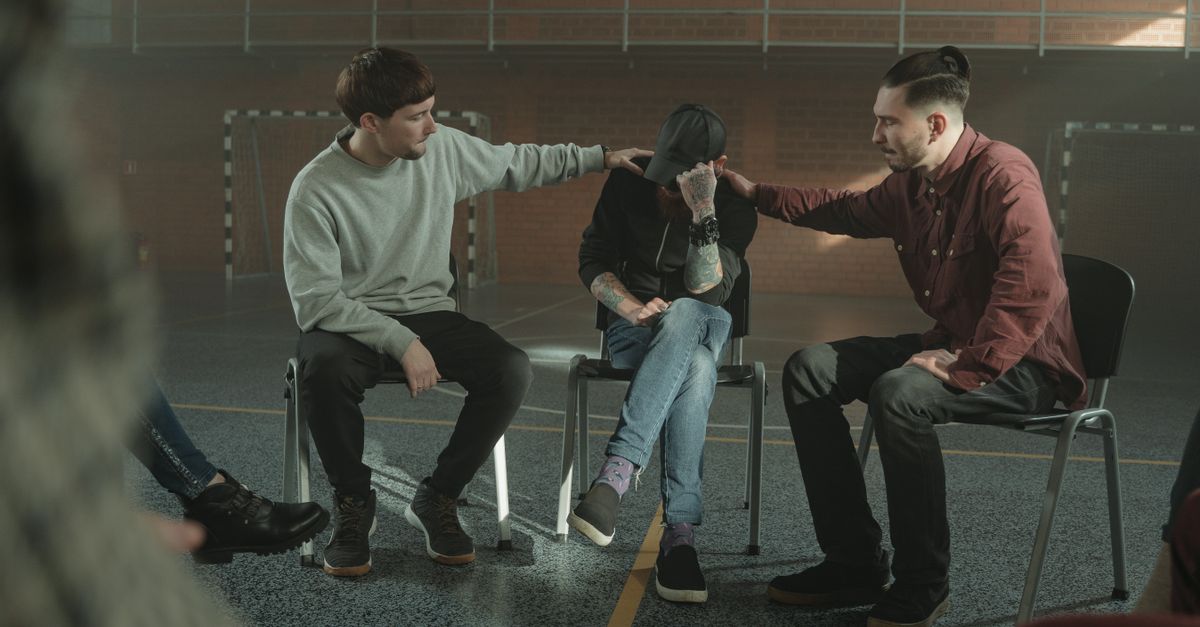
If you have ever sat in a sterile clinic waiting room with your stomach in knots, you know how lonely mental health struggles can feel. Maybe you are searching for answers for yourself, or trying to help someone you love, but clinical diagnoses feel cold and impersonal. Traditional care helps, but it often leaves a giant gap: the human warmth of someone who genuinely gets it. That is where peer support steps in. In this guide, you will learn what peer support actually brings to mental health care, how it works hand-in-hand with doctors, and why sharing space with someone who walked the same road changes everything. By the end, you will see recovery through a whole new lens—one filled with real hope.
Walking the Walk Beats Reading the Map
Imagine you want to hike up a steep, snowy mountain. You could hire a guide who read every single book about mountaineering in a cozy college library. Or, you could hire a guide who has climbed that exact peak, slipped on the ice, caught their balance, and made it back down safely. Both have value. But who makes your heart beat a little slower when a blizzard hits?
That is the difference peer support makes. Doctors and therapists know the science. They know what the textbooks say about brain chemicals and behavior patterns. Peer support specialists, on the other hand, know what it feels like when your chest tightens with panic at 3:00 AM. They know the bitter taste of depression medication. They do not just know about the journey; they have lived it.
Knocking Down the White-Coat Wall
Sitting in a doctor’s office can be scary. There is a desk between you. There is a clipboard. There are fancy degrees on the wall that can make you feel small. It is totally normal to hold back because you worry about sounding weird or broken.
Peer support knocks that wall flat. When you chat with a peer specialist, the power dynamic disappears. You are just two people sitting side by side on a couch, maybe holding warm mugs of tea. You do not have to filter your words or put on a brave face. It creates a judgment-free zone where honesty can finally breathe.
Maya and the Kitchen Floor: A Look at How It Works
To see how this plays out in real life, let’s imagine a fictional scenario. Meet Maya. Maya deals with intense panic attacks that leave her feeling exhausted and embarrassed. Her doctor gave her breathing exercises, but when the panic hits, Maya’s brain freezes up. She ends up feeling like a failure because she cannot even remember to count her breaths.
Now enter Sam. Sam is a peer support specialist who used to struggle with the exact same panic. In this fictional example, Sam does not pull out a checklist. Sam looks Maya in the eye and says:
- “I get it. My brain turns to mush during panic, too.”
- “You do not have to breathe perfectly right now.”
- “When I felt like my chest was exploding, I used to sit on the cool kitchen floor and hold an ice cube. Want to sit on the floor with me?”
Notice what happened there? Sam did not cure Maya in five seconds. But Sam took away Maya’s shame. That small shift is where healing starts.
Living Proof That the Tunnel Has an Exit
When you are deep in a mental health slump, your brain tells you lies. It whispers that you will always feel this bad. It says you are stuck forever.
Doctors can promise you that treatments work, but hope feels hard to grab onto when it is just words on a pamphlet. A peer supporter is living, breathing proof that the dark tunnel actually has an exit. Seeing someone who was once stuck in bed for weeks now smiling, holding down a job, and laughing is revolutionary. It flips on a light switch in your head that says, “Hey, if they made it through, maybe I can, too.”
Street-Smart Hacks for Tough Days
Therapy teaches big-picture skills like challenging negative thoughts. But what about the messy, tiny moments in everyday life? Textbooks do not usually cover what to do when you are too sad to brush your teeth.
Peers share real-world life hacks that keep you going when energy runs out:
- Using paper plates so dirty dishes do not pile up in the sink and make you feel guilty.
- Keeping wet wipes by the bed for days when taking a shower feels like running a marathon.
- Setting a five-minute timer to clean just one corner of a room, then giving yourself permission to stop.
These are not clinical cures. They are practical survival tools. They keep your life moving forward one tiny inch at a time.
The Missing Piece in the Healthcare Puzzle
Peer support does not replace your therapist, your doctor, or your medicine. Nobody is asking peers to write prescriptions or diagnose complex conditions. Instead, they act as the glue holding your whole care team together.
Think of it like this: your doctor gives you the map, your therapist gives you the walking shoes, and your peer supporter walks right beside you so you do not have to hike alone. They fill the empty days between appointments when loneliness creeps in. They help you speak up for yourself at medical visits. They remind you that you are a whole human being, not just a set of symptoms.
Navigating mental health care can feel like trying to solve a giant jigsaw puzzle in the dark. Doctors, medications, and therapists provide vital pieces of the border, giving you the structure you need to heal. But peer support is the bright center of that puzzle. It brings empathy, street-smart coping hacks, and living proof that things do get better. When you talk to someone who has sat in the same dark spots and found a way out, the shame drops away and real healing begins. You do not have to carry the heavy stuff all by yourself. Combining professional guidance with the shared heart of peer support gives you the strongest, kindest safety net possible for your journey ahead.